You can also read this post on Patreon here.
In February of 1826, 20-year-old Fanny Hensel (then, Fanny Mendelssohn) composed three experimental solo piano works.
Music was changing in the 1820s… this was the decade that the Classical era ended and the Romantic era began. When Fanny wrote these pieces, Beethoven was in the middle of composing his late string quartets; Schubert hadn’t yet composed Winterreise or any of his impromptus. Child prodigy Franz Liszt had recently made his debut in Vienna, and child prodigy Clara Wieck (later Clara Schumann) had not yet made her debut in Leipzig… Things Were Happening. It was a really exciting moment of change and experimentation, evolving the rules of form, harmony, and expression. And Fanny was doing her part, too.
So for the 200th anniversary of this micro-era of just weird little piano works, I want to highlight these virtually unknown pieces because I think they’re great. And, as with about two-thirds of Hensel’s piano works written before age 25, they do not seem to have been recorded as far as I can tell (someone should do that).
Like all of Hensel’s instrumental music, the scores are freely available here on henselpushers.org and are linked in each section below.
I’ve uploaded full videos of each of these pieces on youtube if you want to listen through each piece in its entirety, but be warned—they’re just MIDI exports from my notation software, sorry. (Someone record these! They are delightful and they’re going to sound so much better on a real piano.)
Ok let’s go…
Capriccio in F-sharp major (H165)
On February 8th 1826, Fanny composed the first of the three pieces: a Capriccio in F-sharp major.
Things I like about it:
1) the tempo marking:
Humoristisch und etwas ironisch or “Humorous and somewhat ironic.” Up until this point all Fanny’s tempo markings were pretty normal (this piece was originally marked “Presto” before being revised).

2) these little chromatic flourishes:
…little doodleedoos…
…they’re really playful and cute.
The origin of the term “capriccio” is a little unclear, but a possible root is the word “capra,” or “goat.” So “capriccio” could be in reference to those little goofy moves that goats do which are called “frisking.” For me, these little flourishes certainly evoke a frisking goat.
3) a nice little melody as a second theme
The second theme is a simple lyrical melody, still with the low-key frisking in the background.
Fanny Hensel was the older sister of Felix Mendelssohn, and throughout their lives, the siblings were strongly influenced by each others’ compositions, even directly quoting each other. R. Larry Todd, who wrote really excellent biographies of both siblings, points out that Felix seems to have been inspired by this second theme, and used a variation of it in the first movement of his piano sonata in B-flat, written in 1827. Compare:
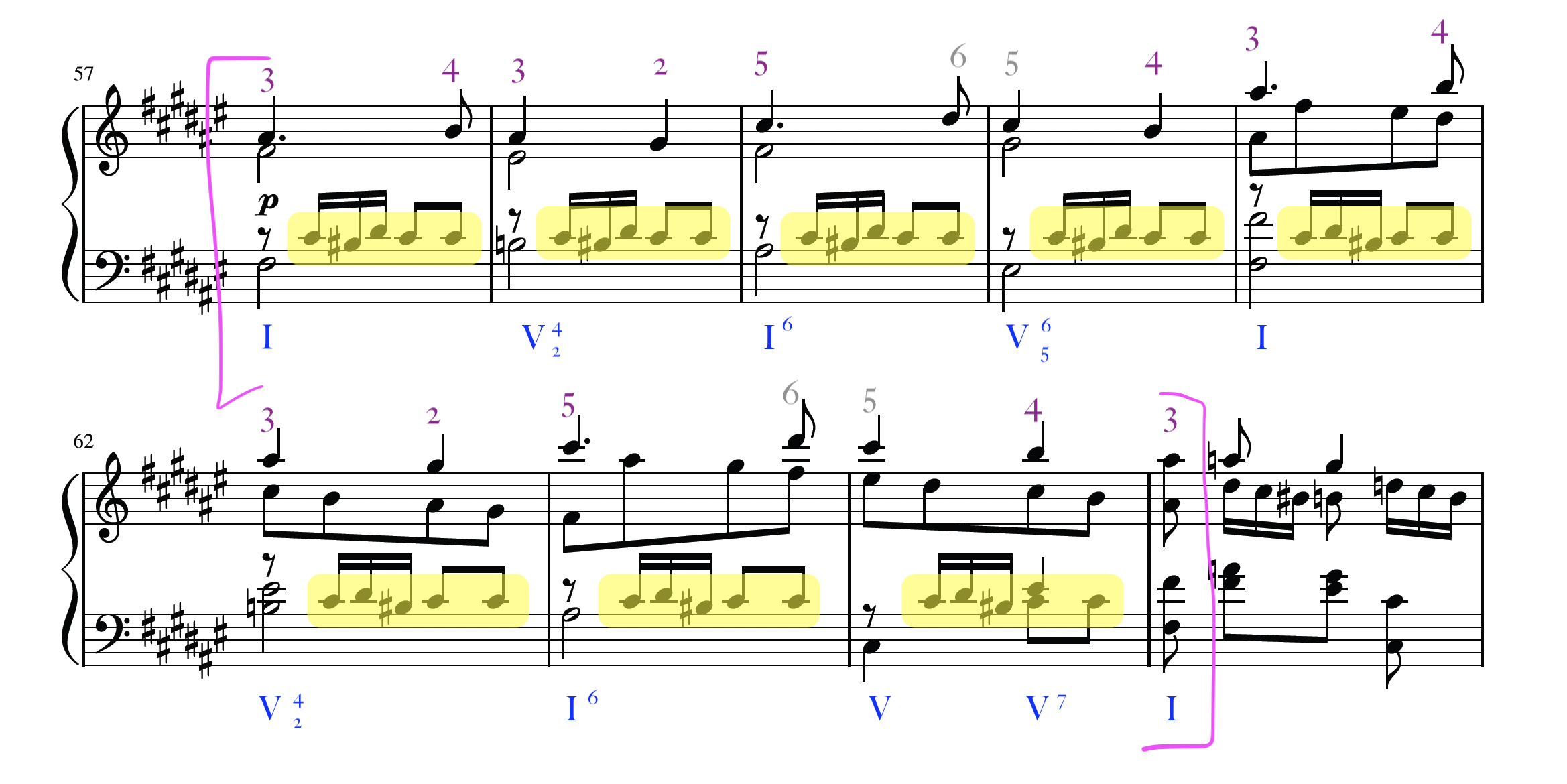
Hensel’s Capriccio (H165), composed 1826
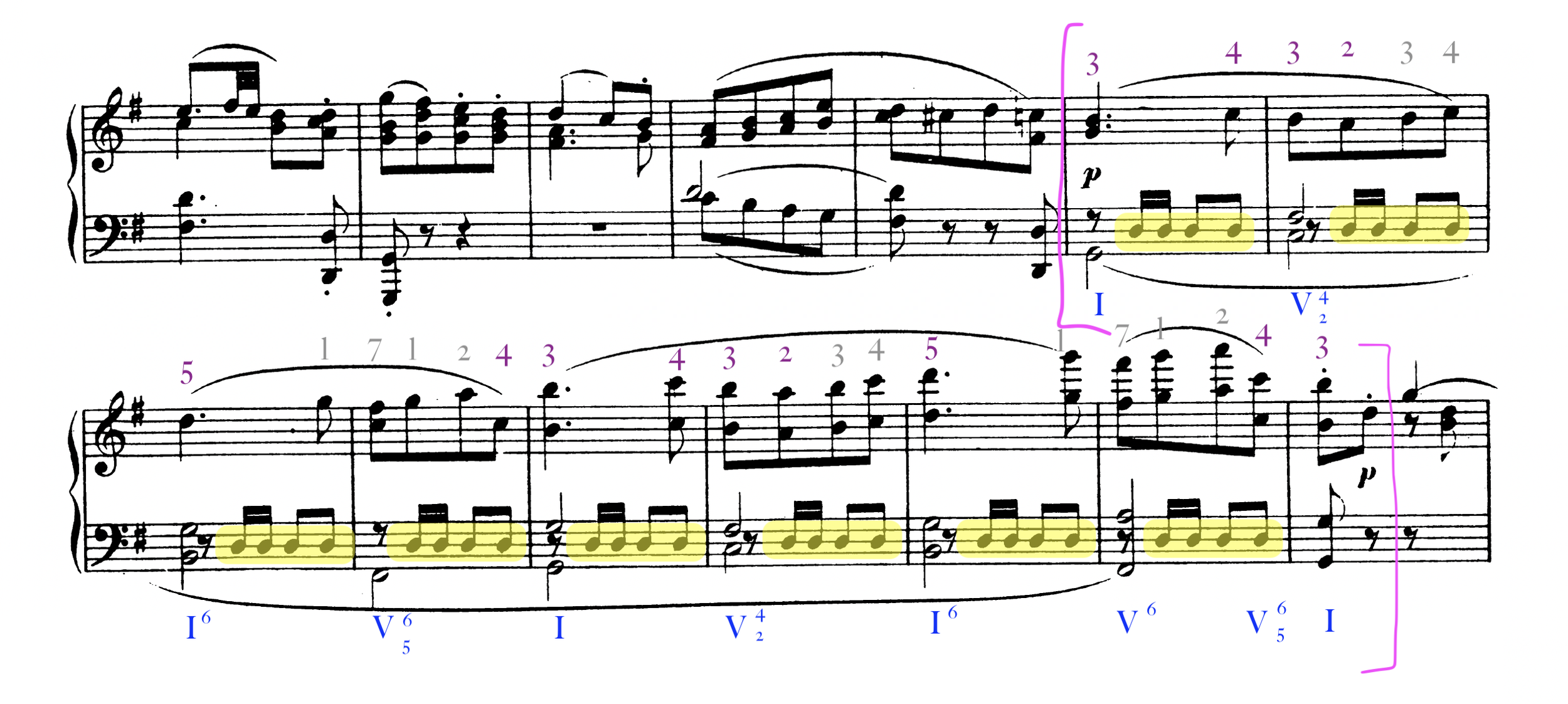
Felix’s Sonata in B-flat, composed 1827
4) fun little scales with hand crossings
Etude in F major (H166)
Next, on February 20th, Fanny composed the second of these pieces: an Etude in F major. At first glance, this piece doesn’t look like an “etude”, but the etudeness of it is about shaping these repeated octaves and (sometimes very thick) chords.
This one feels quite Beethoveny. Hensel was obsessed with Beethoven, and around this time a family friend noted Fanny’s skill for the emotional and expressive interpretation of music in her piano playing, and of Beethoven in particular. For her 20th birthday in November 1825, Fanny was gifted an edition of the “Hammerklavier” sonata, and she was deeply immersed in it in the couple months leading up to this wacky compositional period. So, the spirit of Beethoven is in all these pieces, but this one especially.
Things I like about it:
1) again, the tempo marking:
“Allegro moderatissimo”
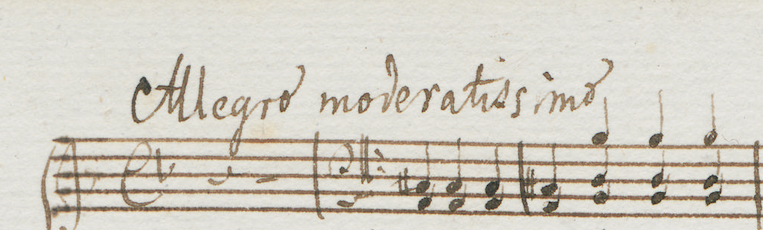

It’s an anticipation of the “Molto moderato” tempo marking from Schubert’s piano sonata in B-flat, D960 (composed more than two years later in 1828).
2a) simple ideas/motifs
2b) with unexpected tonality
The etude is based on a few very simple ideas and motifs, but with a lot of tonal weirdness and unexpected harmonic directions on the larger scale. The first chord we hear is an F augmented triad:
Then we get several little motifs:
This little pattern:
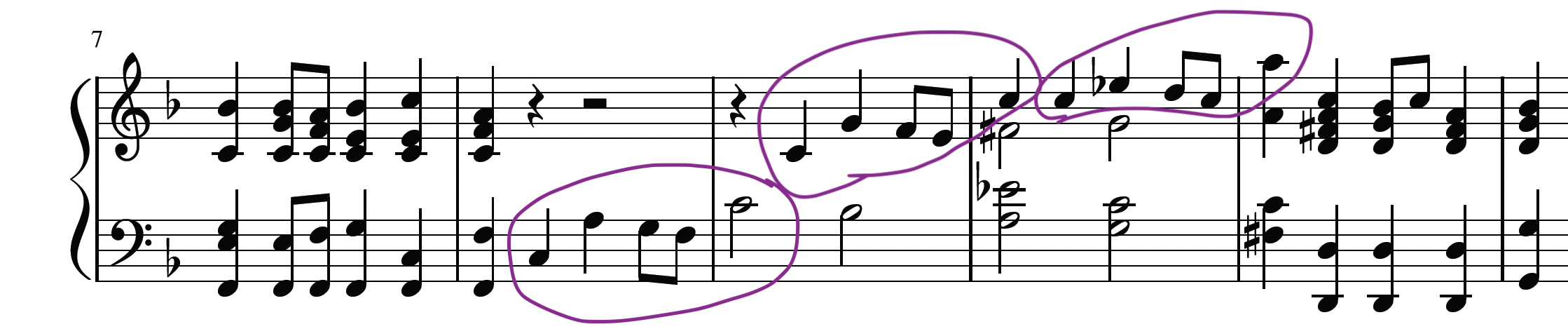
This little note - half step down - back up motif:
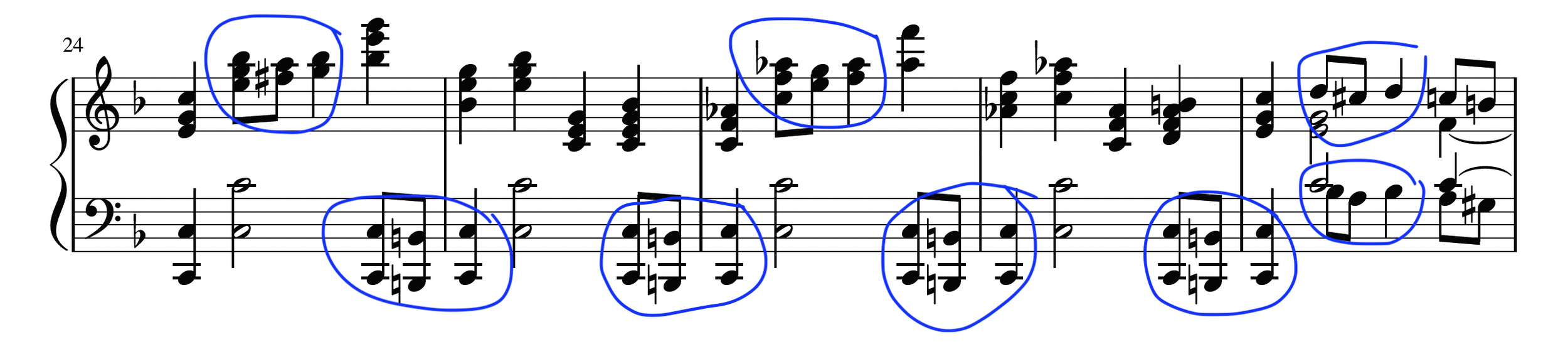
Block chords descending in inversions:
Just a lot of cute, simple ideas but having fun with the modulations.
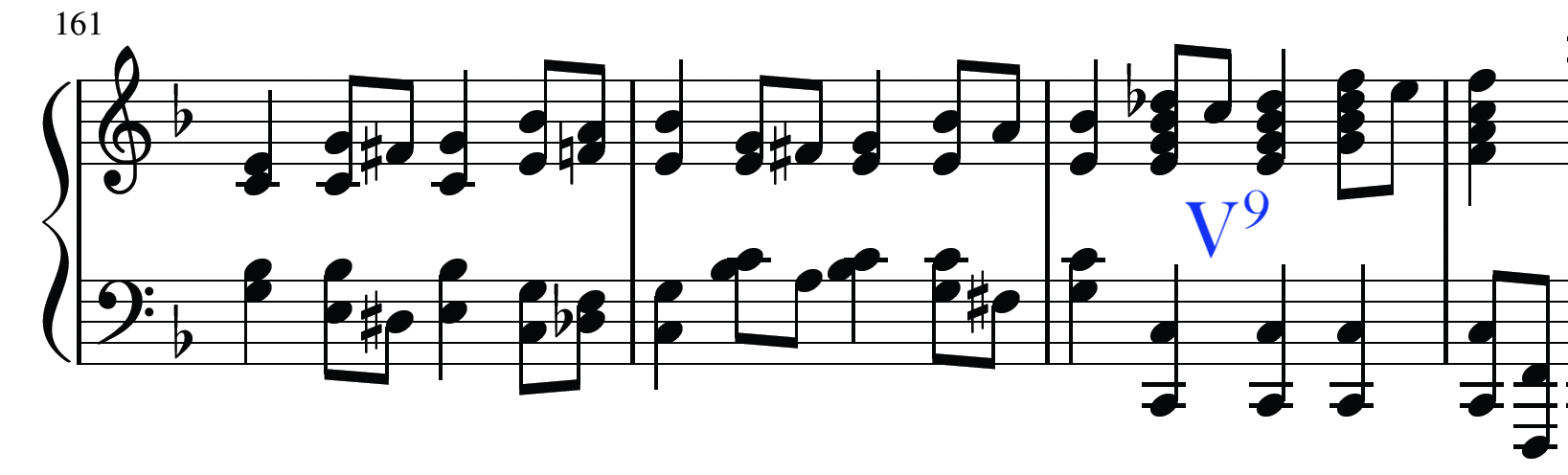
3) dominant ninth chords
Allegro ma non troppo in F minor (H167)
Fanny composed the third and last of these pieces on February 20th “nach Mitternacht” (which means “after midnight”, so technically February 21st): an Allegro ma non troppo in F minor.
Things I like about it:
1) “nach Mitternacht”
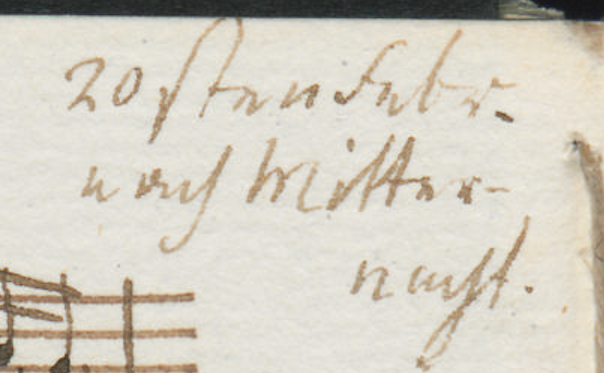
I love the flavor it gives the piece to know it was composed after midnight.
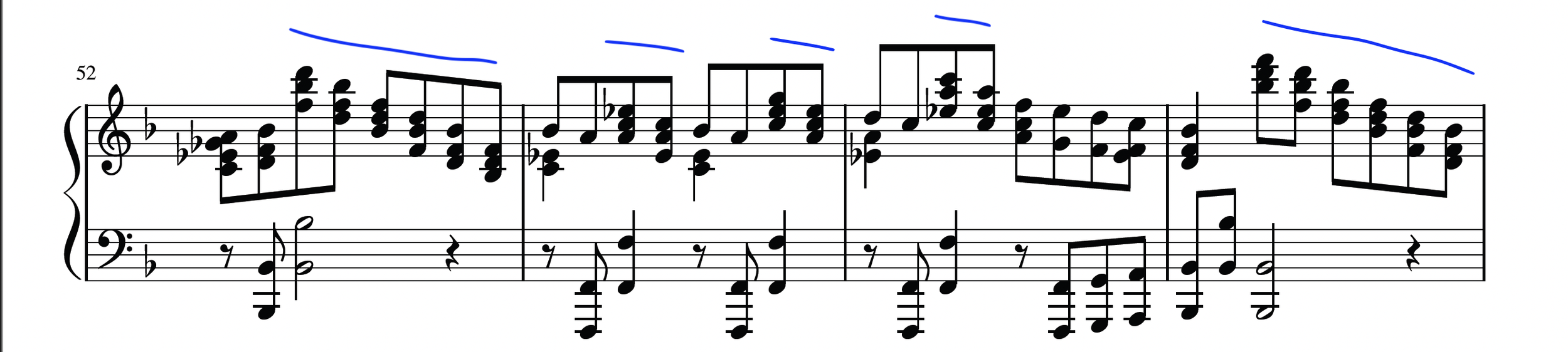
2) the chromatic contortions of the first theme
In my mind this opening sequence is what Duchamp’s Nude Descending a Staircase sounds like.
3) what’s going on with the tempo
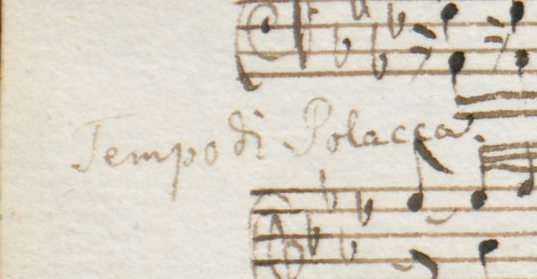
The tempo marking itself is normal: “Allegro ma non troppo”, but Hensel wrote this note:

Basically, it says that instead of indicating dynamic change, the hairpins in this piece indicate tempo change. So when you see a < (normally, “get louder”), she means “speed up” and when you see a > (normally, “get softer”), she means “slow down”.
I’ve never heard of this convention before. Like, rubato was a thing, especially in later Romantic music, but this way of notating it? Has anyone ever seen this before? I think Fanny just made this up. Again, just trying stuff.
(I tried to program in the tempo changes, but it doesn’t sounds great, so just use your imagination)
((someone, record these.))
4) dominant ninth chords
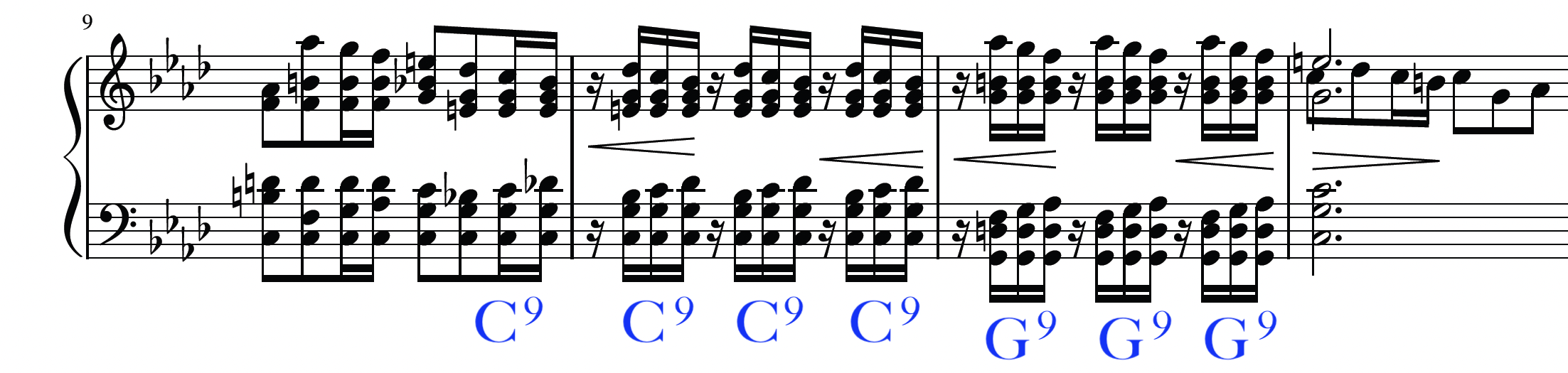
5) this energy:
is why I wanted to play piano as a kid.
6) quick hand crossings
Super fun
7) a cute little dance in the middle
8) this chord
This is an F half diminished seventh chord in first inversion:
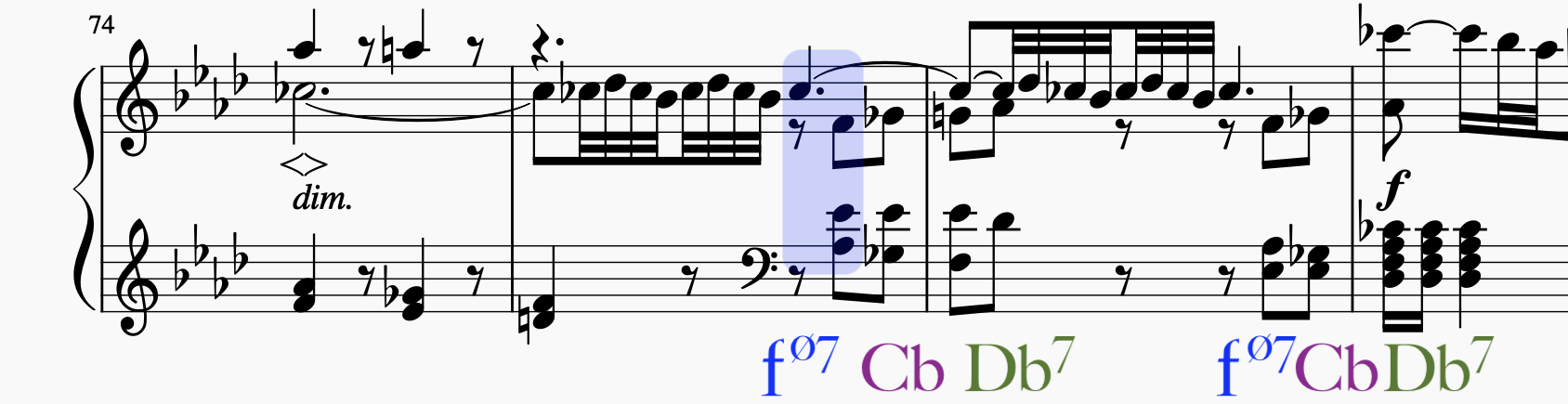
In 1981, Victoria Sirota arguably kicked off the late 20th century Fanny Hensel revival with her dissertation about Fanny Hensel’s life and music. Sirota pointed out this chord in measure 75—an F half-diminished seventh chord that resolves to a D-flat dominant seventh chord in G-flat major.
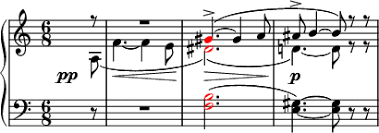
That’s an enharmonic spelling of the Tristan chord.
It’s in a different inversion and it resolves to a different dominant seven chord (on D-flat instead of E), but I still think that’s pretty cool.
Anyway, those are Hensel’s works from February 1826. Cute, right? I hope you like them.
I’ve just started working on creating more Hensel content—blogs, videos, etc. I’m working on a couple more right now. If you’re into this kind of thing, subscribe on youtube and follow on patreon.
If you're reading this in February or March of 2026, I’m doing a Fanny Hensel lecture-concert in Berkeley, California on April 4 at noon. There will be a string quartet, a piano sonata, and some new arrangements for string quartet. And I’ll be there doing little lectures between the performances. Tickets here.
Finally, please download some free scores and play some of Hensel's music. Or record one of these pieces I just talked about and send it to me! Ok thanks bye