I have mixed feelings about women’s history month. I think it’s sad that it’s needed, but I’m thankful that the increased attention on women composers every March leads some listeners to connect deeply with new-to-them music. As with many things in life, I have disdain and disappointment for larger systemic and institutional actors, and compassion and joy for individual people.
Perhaps the thing I like least about women’s history month is the tokenism. Every March, organizations that make little or no effort to support women and promote women’s work during the rest of the year make some small, typically meaningless gesture, often limited to mentioning the fact that it’s women’s history month, perhaps with an image of a woman or two.
(By the way, this problem feels even more pronounced when it comes to Black composers during Black history month (February in the US). I feel like I see music by women programmed outside of March much more often than I see music by Black composers programmed outside of February.)
This tokenism is most insulting when it comes from organizations that wield an immense amount of power—those that could conceivably effect systemic change, but judging by their track records, don’t actually care much about whatever issue they’re using to score points on whatever commemorative day or month.
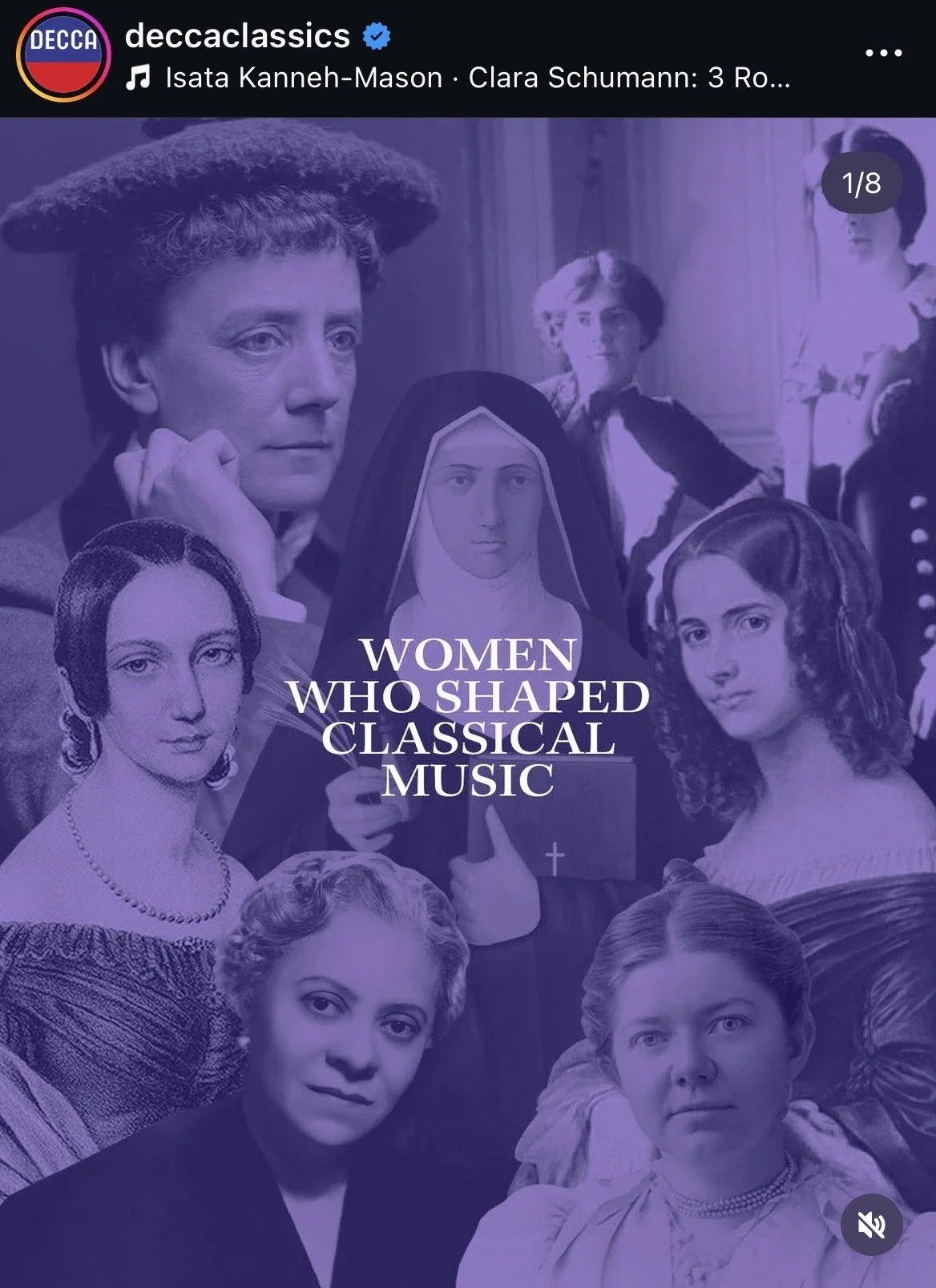
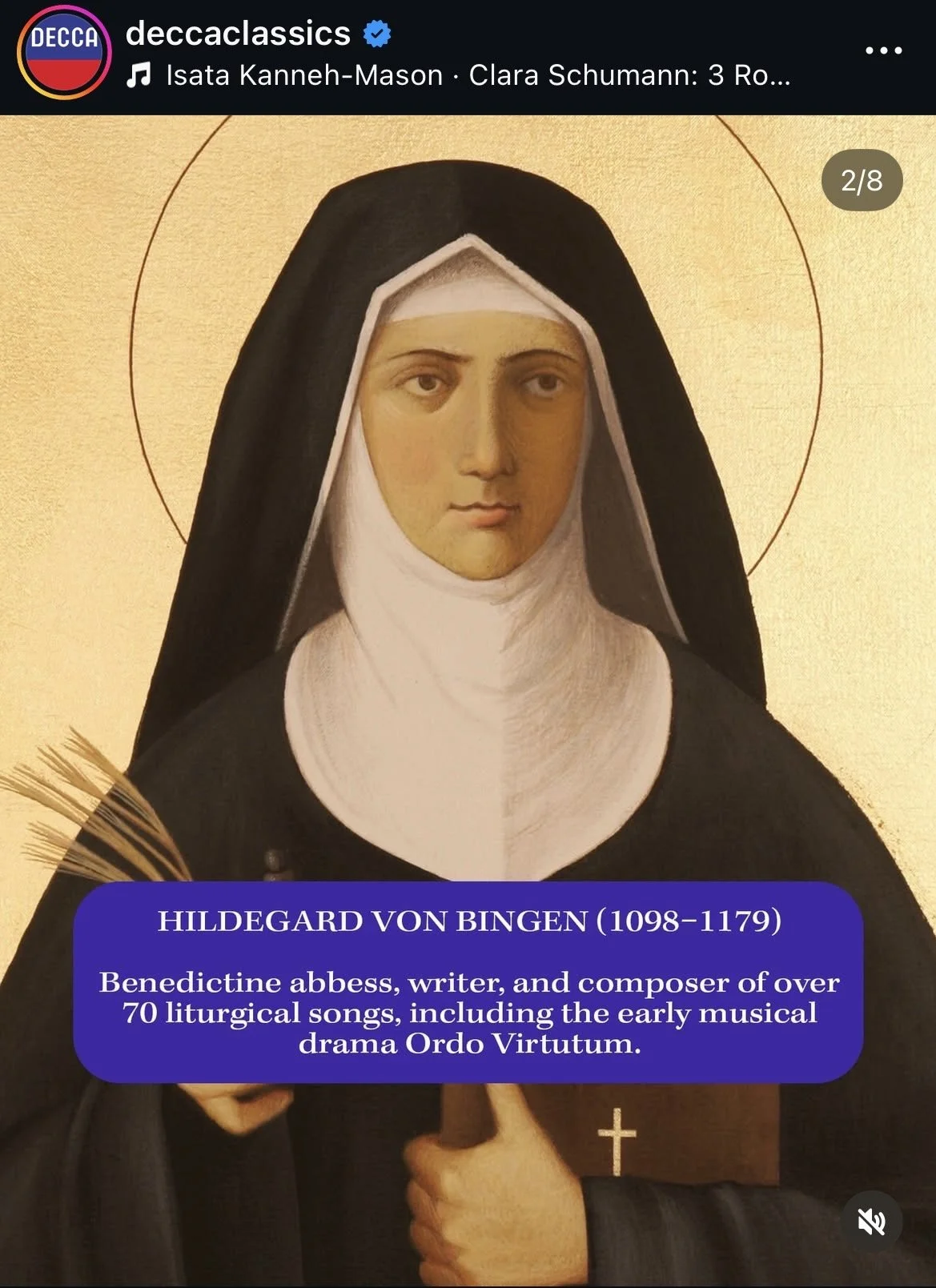
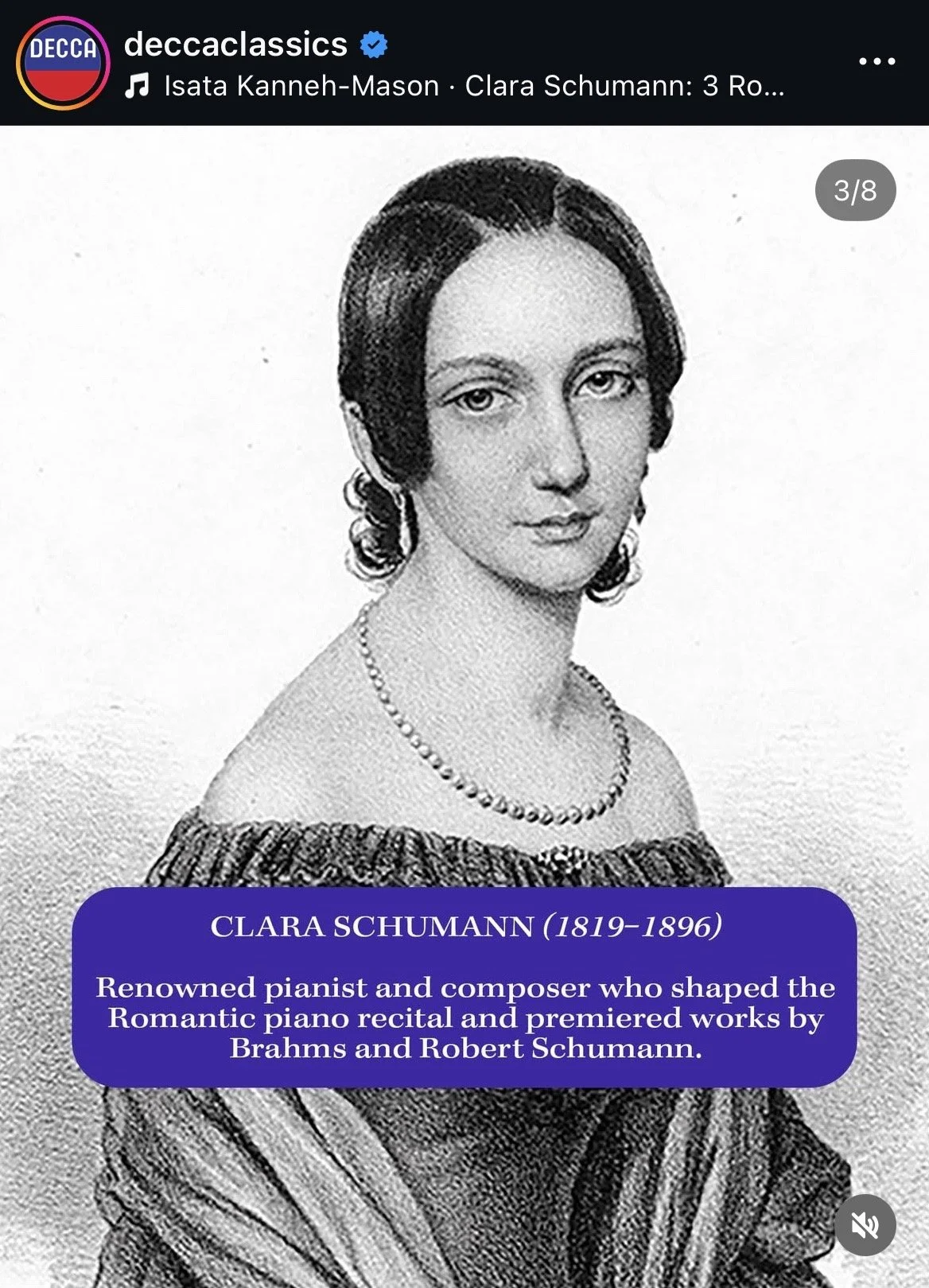
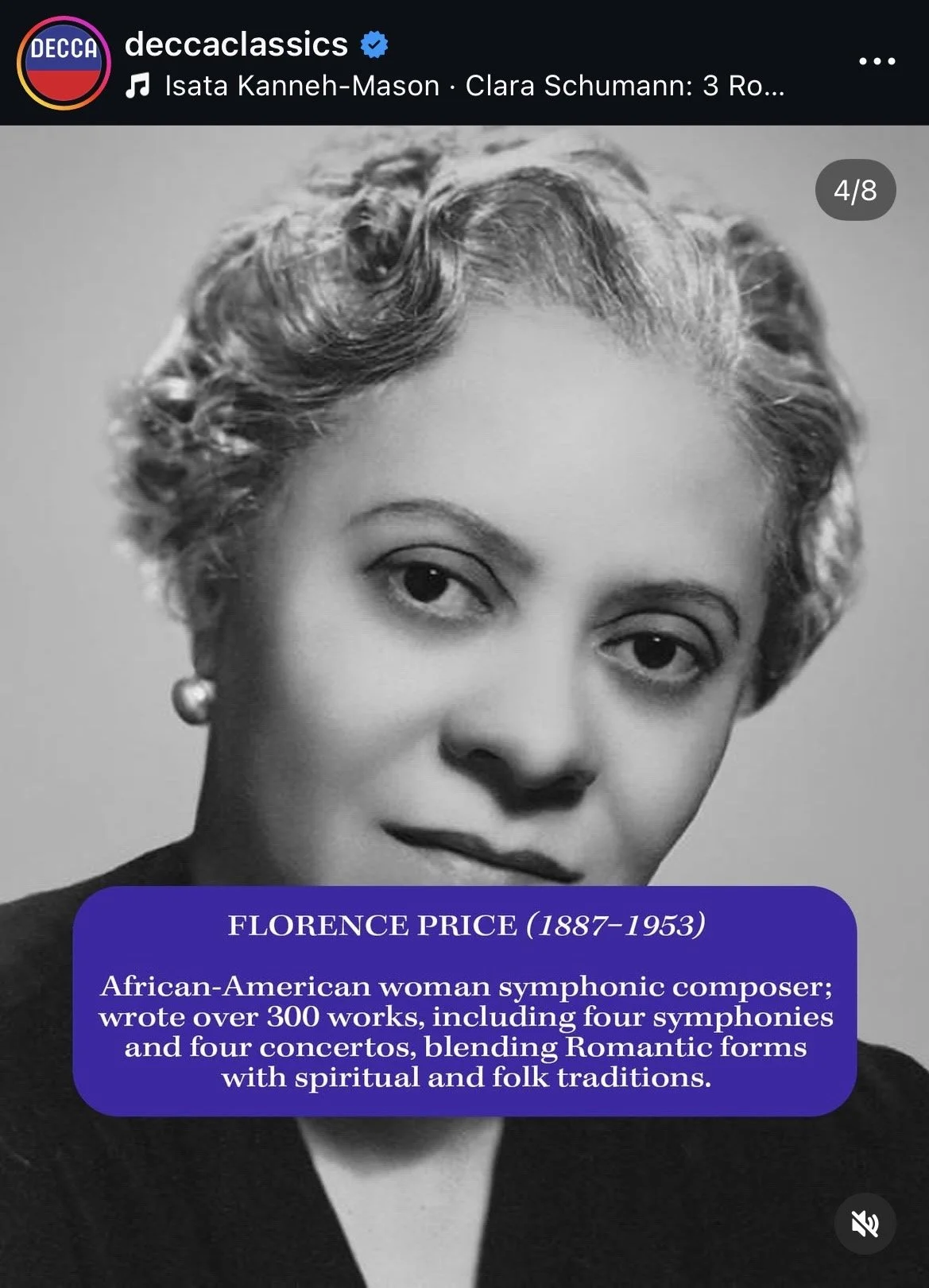
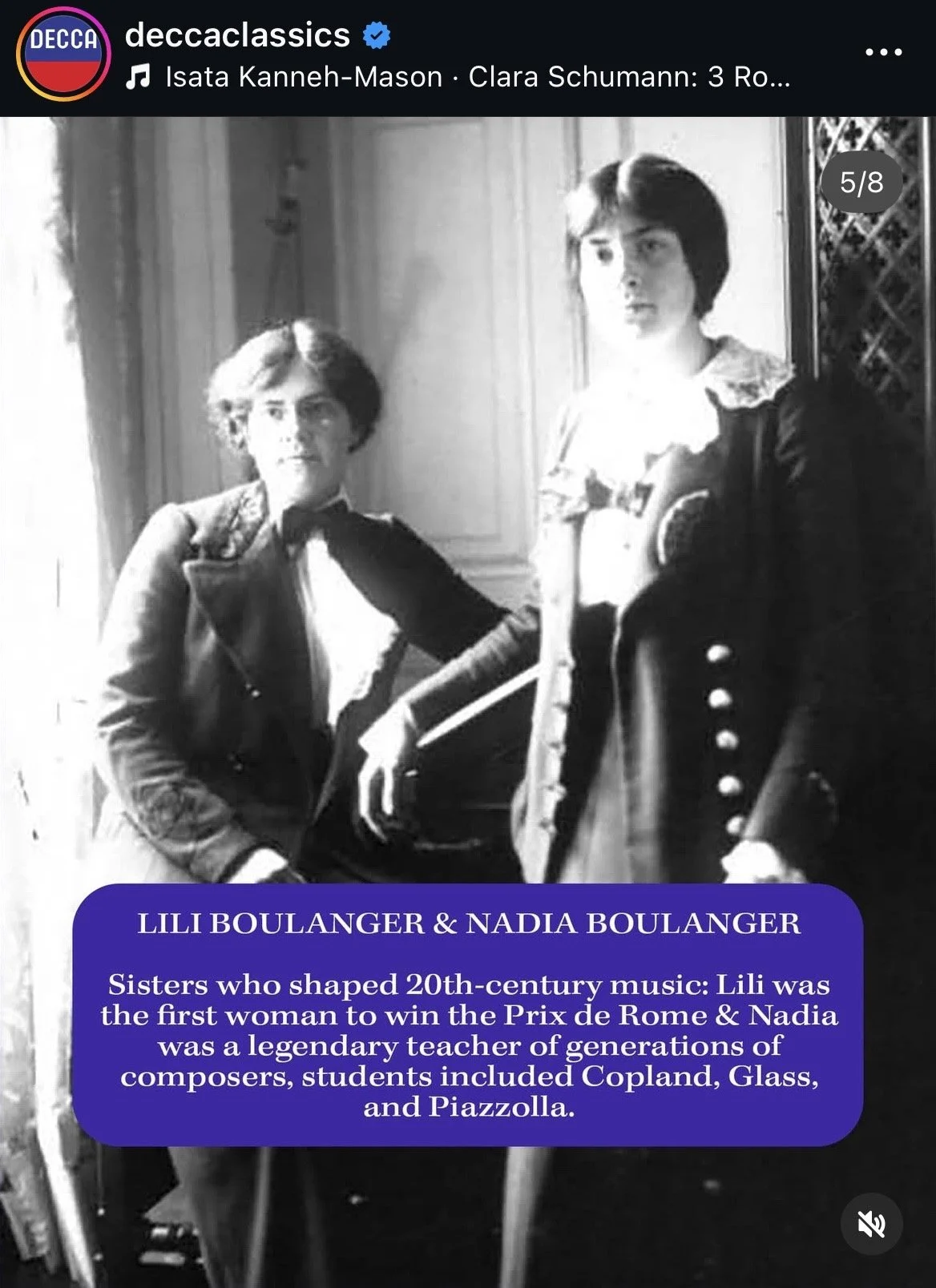
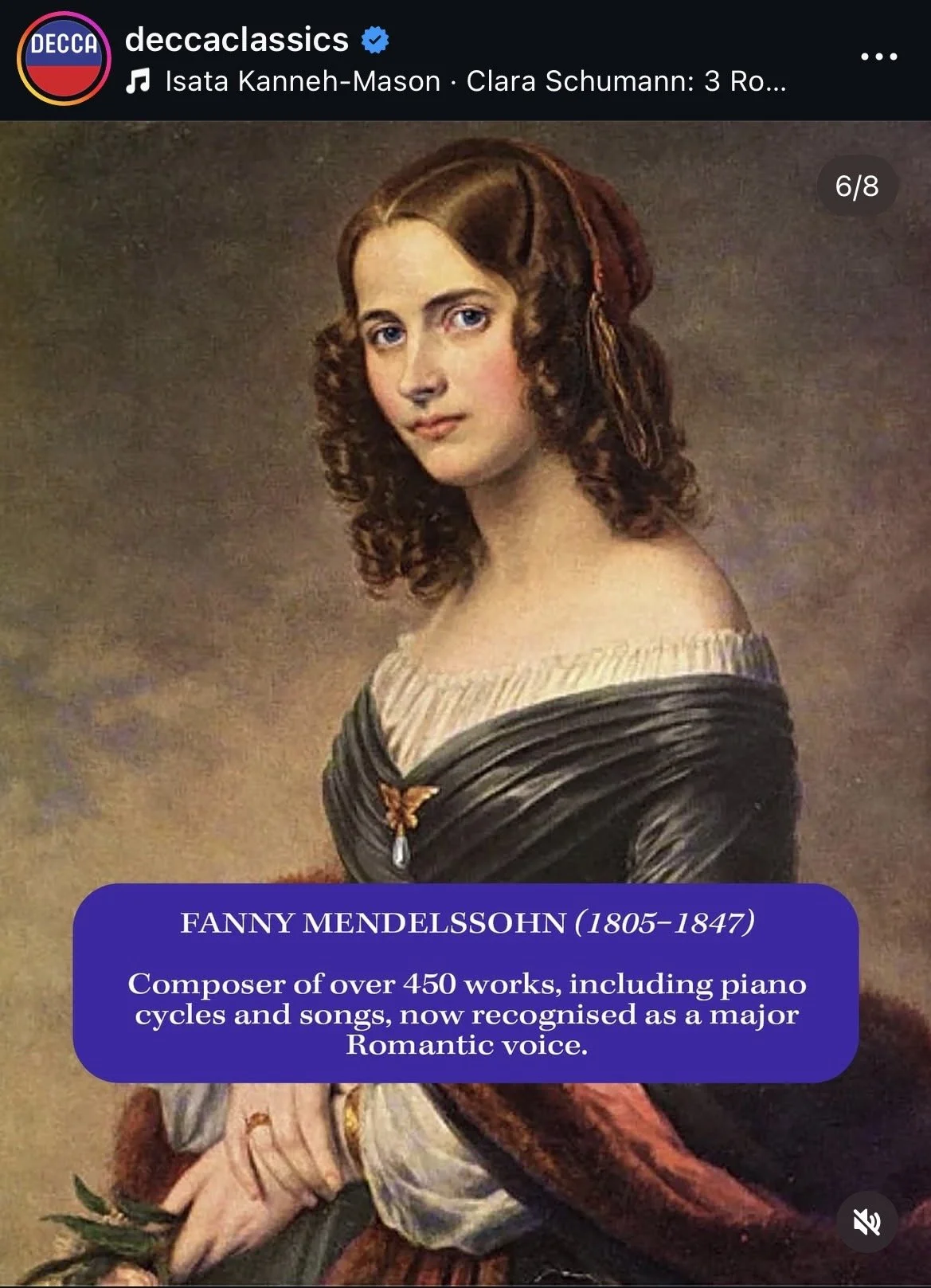
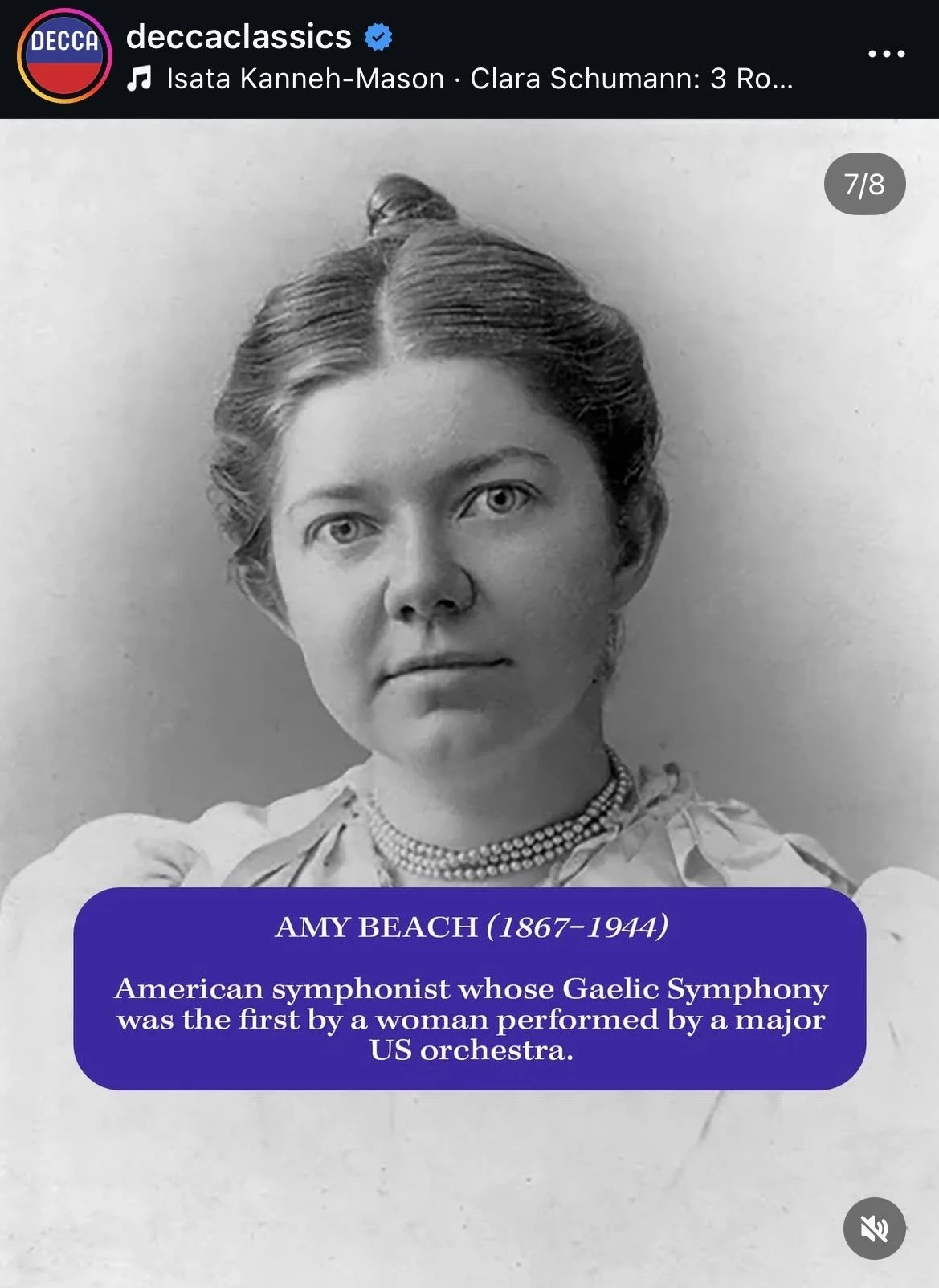
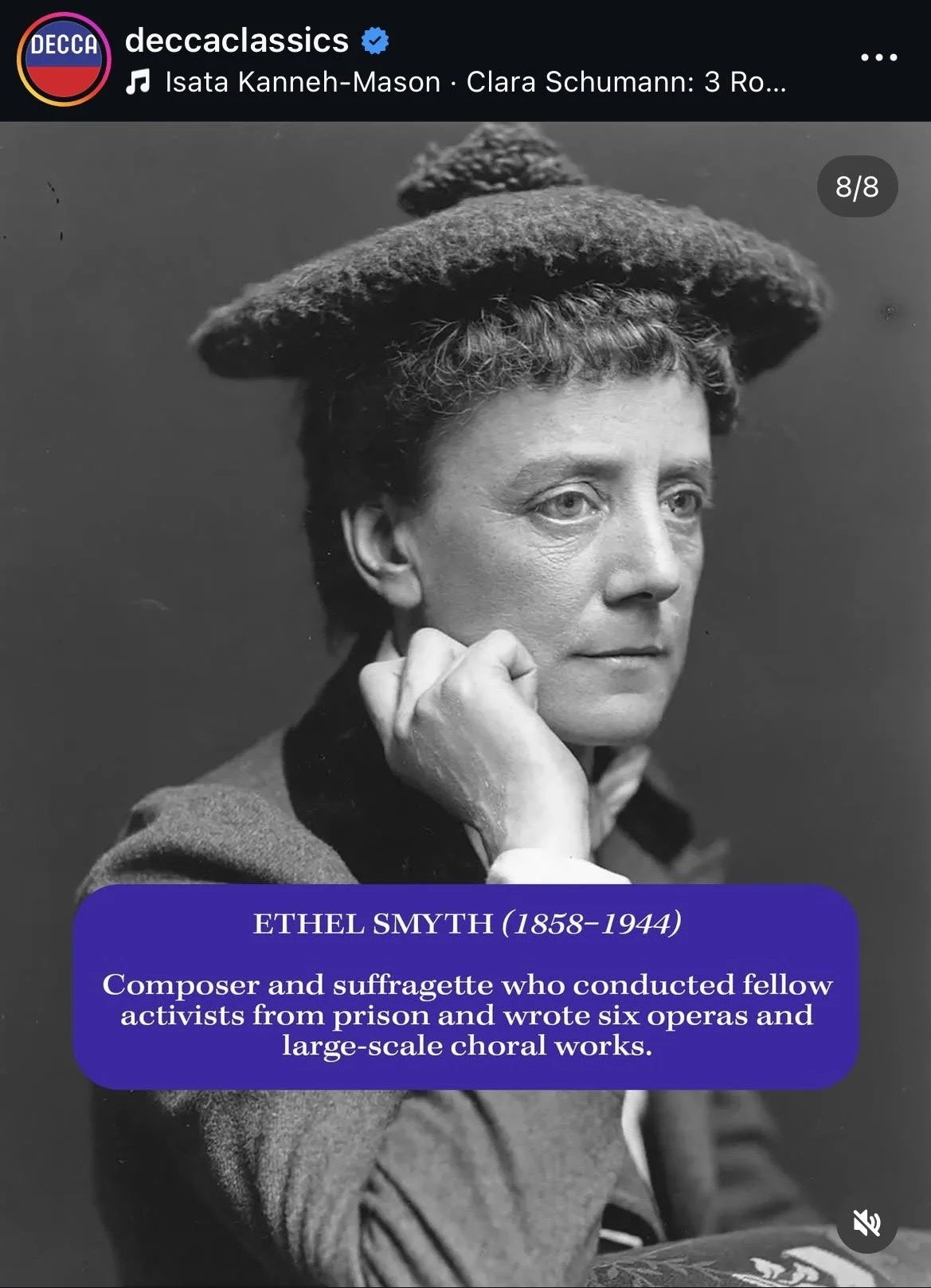
This insulting lack of interest in women and their music came across in a purely performative post on Decca Classics’ Instagram this year. See the eight images below, which made up the slides of the post:
WHAT’S WRONG WITH THIS POST?
Well, first, the image for Fanny Hensel (“Fanny Mendelssohn”) is not of Fanny at all. It is Cecile Mendelssohn-Bartholdy, Felix Mendelssohn’s wife and Fanny’s sister-in-law. This is, sadly, a very common mistake on the internet—so common that I made a page on my website that I now link to instead of explaining the mix up every time I come across an image of Cecile masquerading as Fanny in the wild. Fanny Hensel scholar Dr. Marian Wilson Kimber has also written about this issue on her blog.
In my experience, a majority of these Fanny/Cecile mix ups are made by people who are interested in Hensel, moved by her life story, and who have recently fallen in love with her music. Not knowing much about her, they search the internet and see this image of a beautiful woman… a kind face and knowing eyes looking right at you, connecting to you through time. People choose this image to put on their personal blogs or to share her music with others. They do it out of interest and love, having been given incorrect information by the search engines and LLMs they query to try to better know the woman whose life and music they have recently connected with. I do not hold this mistake against those individuals who were never taught about Hensel and other women of history. I made the page on the site to lovingly correct the record and provide actual images of Hensel for the genuinely curious who make an honest mistake (as we all do).
But one of the biggest classical music labels in existence? The bar is higher for Decca Classics, and their motivations for posting Hensel’s image are different. There is a different standard.
Other mistakes:
Florence Price’s birth year is incorrect. She was born in 1888, not 1887. For the first couple years of the 21st-century Price revival, it was incorrectly believed that she was born in 1887, but for a few years now, it has been established that she was actually born in 1888, as noted in this NYT piece by Dr. Samantha Ege and Dr. Doug Shadle.
You might be able to call this next one more "sloppy" than "incorrect", if you were being charitable: It’s customary to name people who appear in a picture from left to right, and in the case of the Boulanger sisters, Nadia is on the left and Lili on the right, with the names reversed in the text. I suspect whoever made this post for Decca Classics (an intern with LLM access?) didn’t know which sister was which by their photos, and/or did not care.
There may be more errors in this Decca Classics post! These are just the ones I noticed on first glance.
These sloppy mistakes betray a lack of interest and respect for these composers, who faced considerable resistance not only in their day, but still today.
Decca Classics is one of the most influential classical music labels in the world. They help determine what is and is not in the mainstream. If they actually cared about recording and releasing the music of women composers, and treating it with the respect and care it deserves, it would go a long way to popularizing non-standard repertoire for musicians and making these marginalized composers more well known to listeners who might really love their music.
LET’S LOOK AT SOME NUMBERS, SHALL WE?
In addition to being a full-time Fanny Hensel freak, I am a data analyst, and I need very little provocation to build a spreadsheet. (See my ongoing work with the Donne Foundation on gender representation in orchestral concert programming if you want to continue to be angry.)
What we’re looking at:
In an attempt to appear like they care about women composers when the calendar reminded them they should, Decca Classics used (or tried to use) the images of eight historical women composers:
Hildegard von Bingen
Clara Schumann
Florence Price
Lili Boulanger
Nadia Boulanger
Fanny Mendelssohn (Hensel)
Amy Beach, and
Ethel Smyth
I immediately wondered:
How much of these eight composers’ music is actually available on the Decca Classics label? Surely, this massively influential classical music label wouldn’t use the images of marginalized composers whose works they had not thoroughly recorded…
Methodology
What I did for this analysis:
I went to the Decca Classics site and one by one entered the names of each of these eight composers into the general search field that you can find just below the slideshow on that linked page. I did not adjust any other filters. (You’ll see there is a broken “composer” dropdown with only 14 random composers. I did not use that. Fix your janky ass site, Decca.)
I was looking for recordings of music by these eight composers that met the following two criteria:
The music must show up via this search on Decca Classics’ site. It seems like there might be more that has been released by Decca Classics that is not showing up here—I don’t know why. A potential customer should be able to expect to find music released by Decca Classics by searching for it on their site, so that’s what I’m going with;
The recording must be released on the Decca Classics label, with the blue and red logo. I am not including subsidiary or sister labels under UMG, just the flagship Decca Classics recordings. A couple Philips recordings got returned in one or two of these searches, but they are not included in the analysis. (Even if I did include those very few Philips recordings, trust me, it would not help the stats much.)
I looked at each album that appeared in the search for each composer name. If the album met the inclusion criteria above, I noted the following:
the total number of tracks on each album,
the number of tracks by the composer I was searching,
the total duration of each album in minutes (as displayed on Apple Music, which seems to be rounded up to the minute), and
the number of minutes of music on the album by the composer I was searching (which I rounded to the nearest quarter of a minute; e.g., a track that is 3:22 gets rounded to 3.25 minutes because it is closer to 3:15 than 3:30).
All the percentages I am going to report are rounded to the nearest percent.
N.B.: most track listings are messed up on Decca Classics site, so I opened them in Apple Music to confirm the overall length of each album and double check who composed what, which is very often incorrect on the Decca Classics site's track listings. I used the listings on the Decca Classics site to determine the length of each track.
Findings
I’m going to give you a rundown composer by composer in a second, but to make things clearer at a high level, I found that the level of prominence a composer has on an album can be described in four levels. From least to most prominent, they are:
Single track – the composer has only one track on the album, the work is less than 7 minutes long, and the total duration of that composer’s work makes up 5% or less of the total album duration.
Feature – the composer has more than just one short track as described above, but makes up less than a third of the total album runtime, maybe significantly less.
Co-billed album – the composer shares billing with just one other composer. Their music may make up anywhere from 1/3 to 2/3 of the total duration.
Dedicated album – 100% of the works on the album belong to this composer.
Hopefully this framework will help keep the big picture in focus because there are a lot of detailed numbers coming at you now:
Hildegard von Bingen
A [Hildegard Bingen] search returned one result, an album called “Music for Mindfulness”: 45 tracks, 3 hours 14 minutes, with 1 track by Hildegard, 3.25 minutes.
HOWEVER, this album is not on the Decca Classics label, so it is not included.
(To make sure I wasn’t missing anything, I also searched for just “Hildegard” but it returned a bunch of unrelated Wagner albums that do not include Hildegard of Bingen’s music.)
Hildegard von Bingen on Decca Classics: nothing
Clara Schumann
A search for [Clara Schumann] returned 20 results! But many of these are just albums that include the words “Clara” and “Schumann” somewhere in the metadata. This includes, for example, Clara Haskil recordings of Robert Schumann, or albums of Robert Schumann’s music where the liner notes mention Clara Wieck.
Still, of our eight composers of interest in this lil study today, Clara Schumann is by far the most represented.
We’ve got four albums that include her music:
Isata Kanneh-Mason’s Romance from 2019; 16 tracks, 76 minutes. All but two of the works are by Clara Schumann, and the two tracks that are by Robert Schumann are arranged by Clara Schumann, so I’ll be generous this time and call it a 100% Clara album. This is as good as it gets; you will not see this happen again in this analysis.
Schumann Lieder (Robert & Clara) Frauenliebe und -leben with Barbara Bonney and Vladimir Ashkenazy from 1997. Clara’s works are 11 of 29 tracks (38%), or 23.25 of 71 minutes (33%).
Benjamin Grosvenor’s Schumann & Brahms from 2023. You wouldn’t know from the title or the cover that Clara was included here (see below), but she is: her “Variations on a theme of Robert Schumann”. Because each variation is its own track, her work makes up 8 of the 27 tracks (30%), BUT each track averages less than 90 seconds, so the total duration of her work is just 11.5 minutes of the album’s 86 minutes (13%)
On 12 Stradivari, a 2023 Janine Jansen/Antonio Pappano joint, there is one Clara Schumann track of 15 on the album (7%), with a duration of 3 minutes out of the album’s total runtime of 60 minutes (5%).
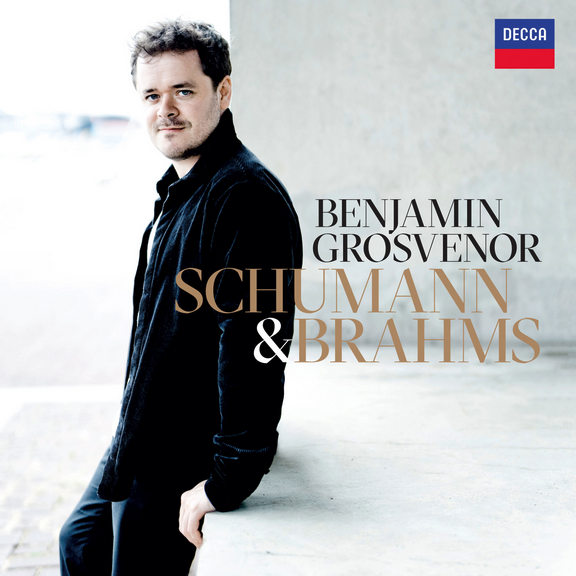
Would you assume Clara Schumann's music was on this album?
Clara Schumann on Decca Classics:
1 dedicated album,
1 co-billed album, with Robert Schumann, Clara’s work is actually just 33% of runtime,
1 feature, alongside Robert and Brahms’ music (though you wouldn’t know she is included from the album cover); her work is 13% of the album runtime,
1 single track, a 3-minute work on an album with various composers.
Florence Price
A search for [Florence Price] returned three results: two versions of Randall Goosby’s Roots (original in 2021 & deluxe in 2024), and 2023’s Violin Concertos with Goosby and Yannick Nézet-Séguin. (Hell yeah, Randall Goosby!)
Roots:
a. Original version from 2021 – 3 tracks of 19 (16%) by Florence Price, or 13.75 minutes of 76 minutes (18%);
b. Deluxe edition from 2024 – In addition to the works on the original version of the album, there are 5 new tracks on the deluxe edition, including one more Price work, so now she’s 4 of 24 tracks (17%), and 18.25 of 92 minutes (20%).
Violin Concertos album – this album features Price’s first and second violin concerti, and an arrangement of “Adoration”. Price shares the album with Bruch’s violin concerto and Price is given second billing after Bruch, despite being 5 of 8 tracks (63%) and 2/3 of the duration of the album – 48.5 of 74 minutes (66%).
Florence Price on Decca Classics:
1 co-billed album – though Bruch is billed first, Price’s music makes up 2/3 of the runtime,
1 feature, with multiple composers, where Price’s compositions make up 20% of the album’s duration (I’m only counting the Roots album once, and I’m using the one with more Price on it.)
Lili Boulanger
A search for [Lili Boulanger] yielded one result: Beau Soir, a 2010 album with Janine Jansen and Itamar Golan. This album has just one L. Boulanger track, out of 16 on the album (6%), with a duration of 3.25 minutes out of a total album duration of 77 minutes (4%).
Lili Boulanger on Decca Classics:
1 single track, a 3.25-minute work on an album with various composers (4% of album runtime).
Nadia Boulanger
Nothing.
Nadia Boulanger on Decca Classics: nope.
“Fanny “Mendelssohn” ”
There were three results for [Fanny Mendelssohn], only one which is on the Decca Classics label and features Fanny’s music: Isata Kanneh-Mason’s Mendelssohn (2024). You would be forgiven for assuming this album only included Felix’s music, given the use of the name “Mendelssohn” in mainstream classical music and Decca Classics’ track record. But no, this album includes two works by Fanny: “Notturno” and the Easter Sonata. Together these works are 5 tracks of the album’s 13 (38%), and account for 27.5 minutes of the album’s 65-minute runtime (42%).
(And there was nothing in the search for [Fanny Hensel], which I checked just in case.)
Fanny “Mendelssohn” on Decca Classics:
1 co-billed (sort of) album, with Felix Mendelssohn. Fanny’s inclusion is not immediately apparent from album title or cover. Two Hensel works, 42% of the album runtime.
Amy Beach
A search for [Amy Beach] returned four results, three of which meet our criteria:
Himari (2025), an EP with only four tracks, one of which is Beach’s Romance, Op. 23, which is 6.25 minutes of the 21 minute runtime (Beach is 25% of tracks, 30% of runtime.)
Summertime by Isata Kanneh-Mason (2021), which has one Beach track (By the Still Waters, Op. 114) of 17 on the album (6%). It is only 3 minutes of the 63-minute album (5%).
On the quadruple album Ultimate Classical Chill Out from 2006, there is a single Beach recording out of 71 (yes, seventy one) tracks, or 6.5 minutes of 6 hours and 16 minutes total. That’s 1% of the album’s tracks and 2% of the total album length by Beach.
Amy Beach releases on Decca Classics:
1 feature, an album with multiple composers. (There is actually only one track by Beach, but since it’s an EP, only 21 minutes in total, I am generously upgrading it from “single track” to “feature”.) Beach’s music is 30% of the runtime.
2 single tracks, 2% and 5% of their respective albums' runtimes.
Ethel Smyth
No results.
Ethel Smyth releases on Decca Classics: nothing.
So here is the final tally:
1 dedicated album,
3 co-billed albums, two where our composer is less than half the runtime, and one where our composer has a majority of the runtime but is somehow second billed,
3 features, none of which make it clear from the album title and cover that our composers are included,
4 single tracks; again, you wouldn’t know our composers are included on the albums at first glance,
And 3 composers with nothing at all.
In terms of total recorded minutes, the breakdown is:
Clara Schumann – 1 hour 53.75 minutes.
Florence Price – 1 hour 6.75 minutes.
Fanny “Mendelssohn” – 27.5 minutes.
Amy Beach – 15.75 minutes.
Lili Boulanger – 3.25 minutes.
Hildegard von Bingen – nothing.
Nadia Boulanger – nothing.
Ethel Smyth – nothing.
3 hours 47 minutes of music total for eight of the greatest women composers of history.
This is, sadly, exactly what I expected.
WHAT GIVES ME HOPE
First, I want to recognize and appreciate Isata Kanneh-Mason. The duration of just her recordings amount to half of all the music in this analysis – 106.5 minutes of 227 total. We need more performers and recording artists to delve into the works of lesser-known composers like she has, whether it’s on a dedicated program/album, or alongside the standard repertoire. Performers, if you want glory, there are still many works by just these eight composers that still have not been recorded… how does a world premiere sound?
But the real hope-giving aspect of this saga for me is this: By the time I found Decca Classics’ post on Instagram, a day or two after it had been posted, a majority of the comments were critical of the post in some way or another. They were either calling out the incorrect Hensel image or complaining about the focus on such a limited number of women composers, when there are so many more that are rarely or never recognized by the mainstream.
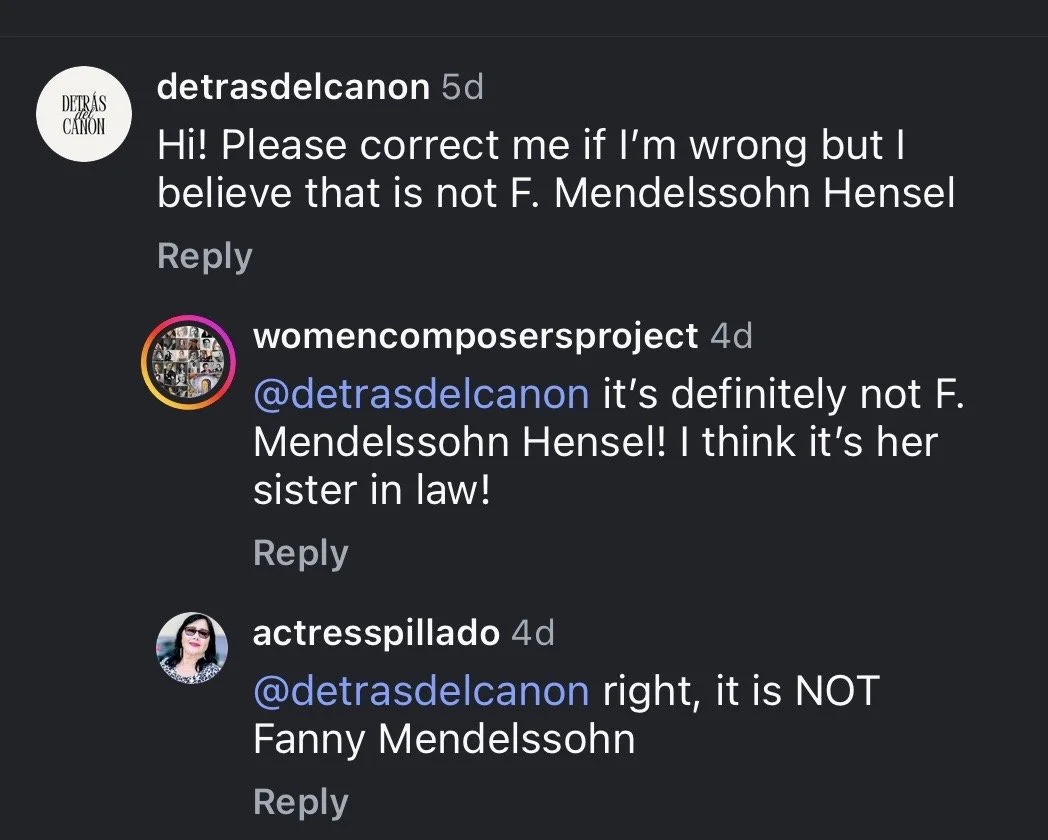
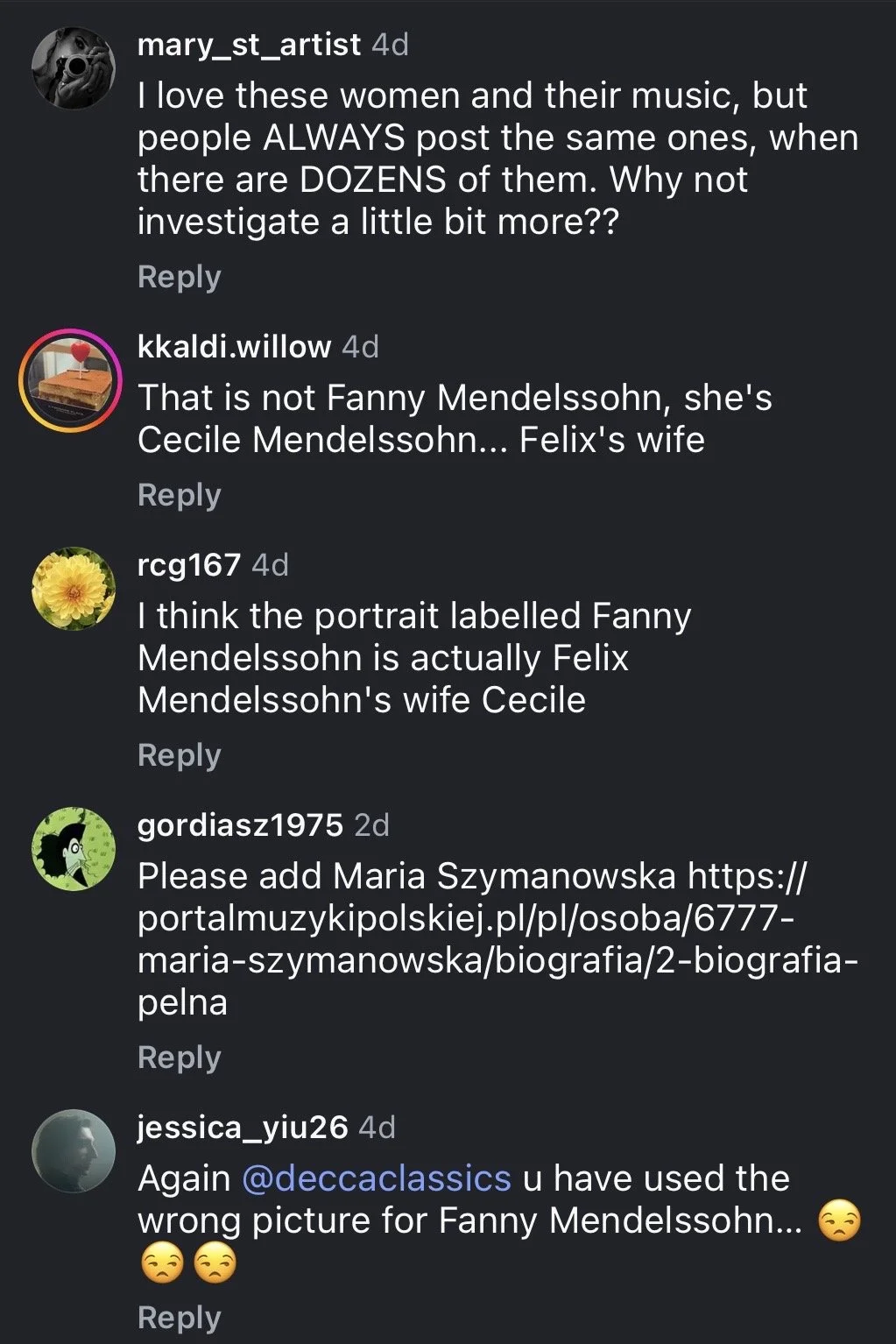
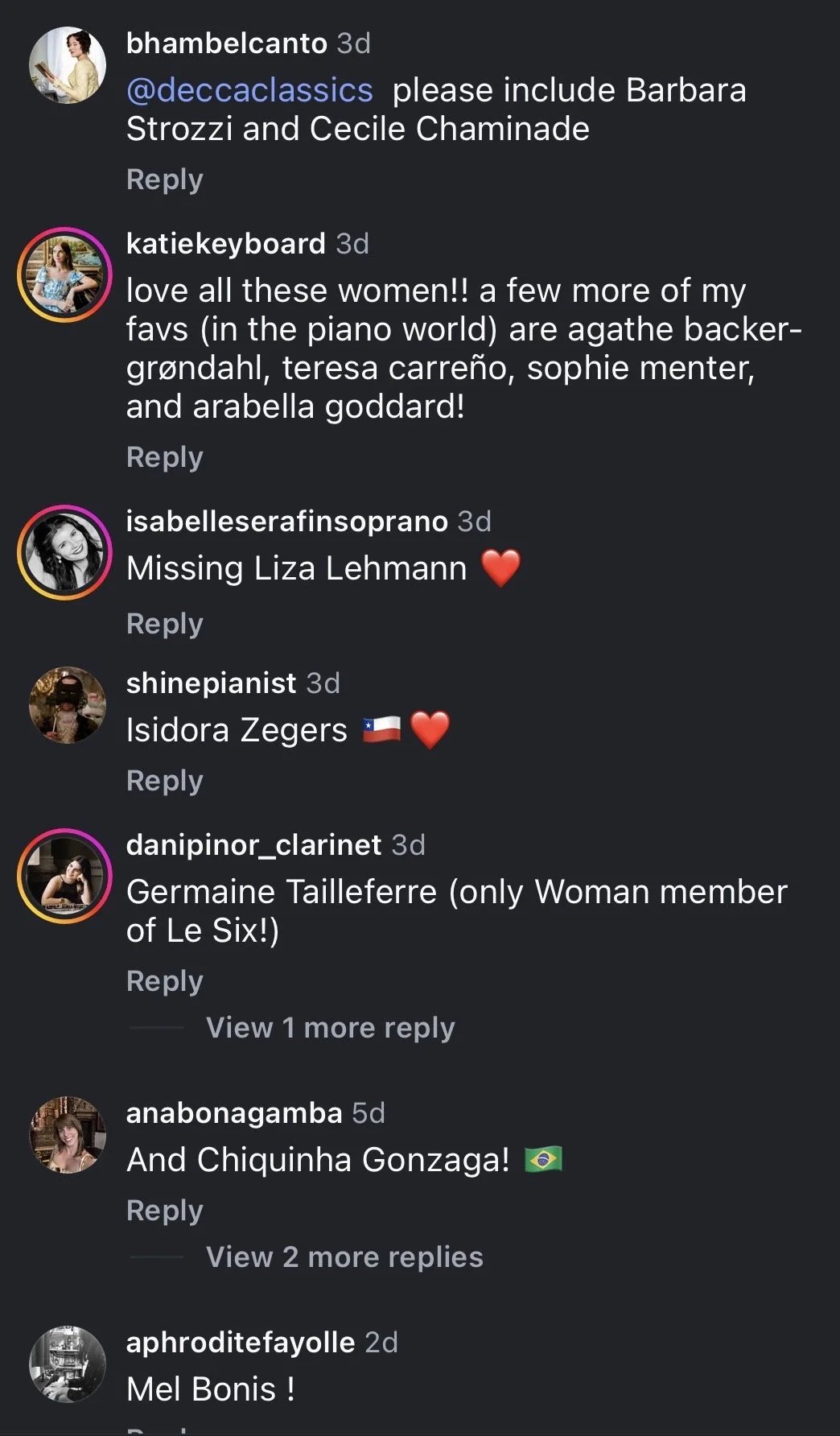
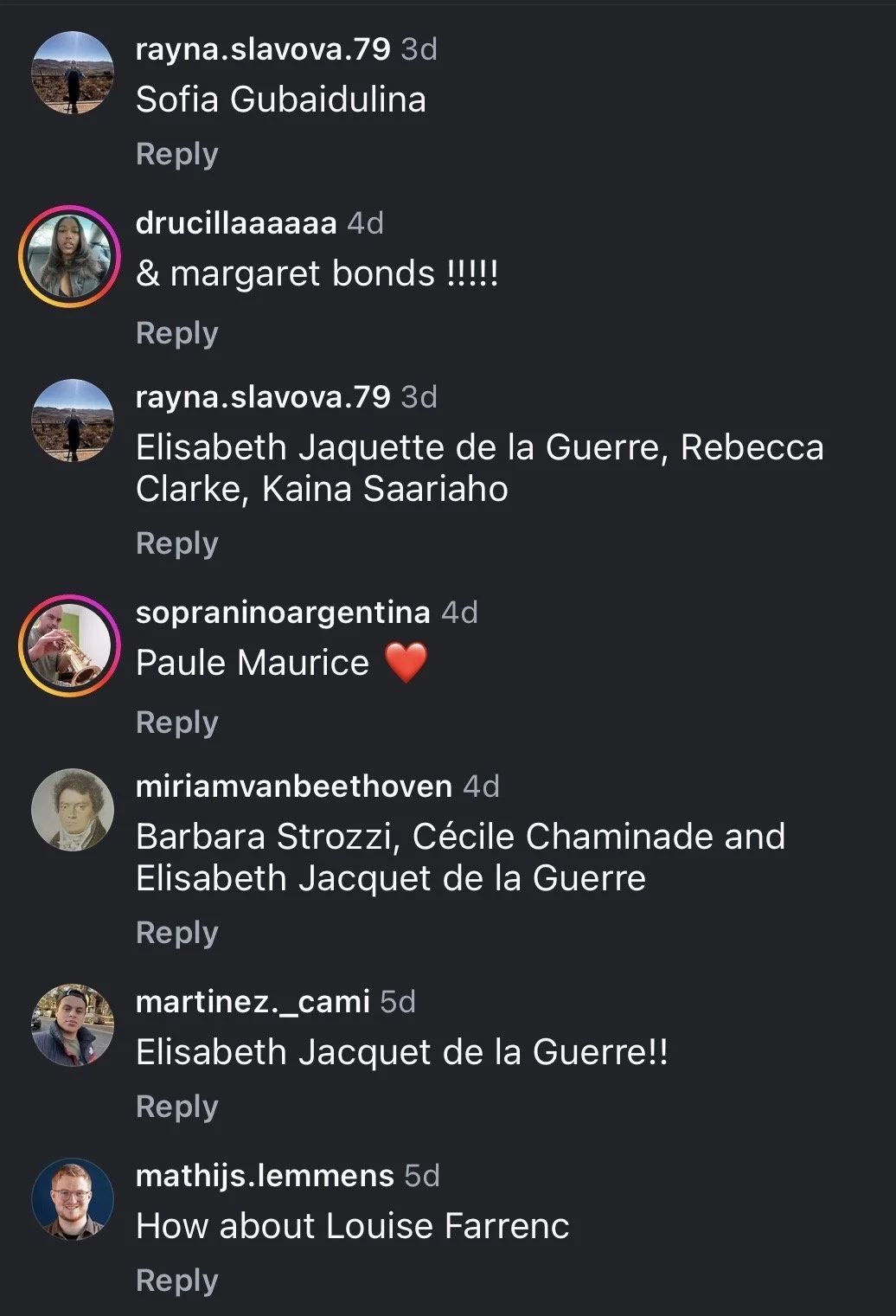
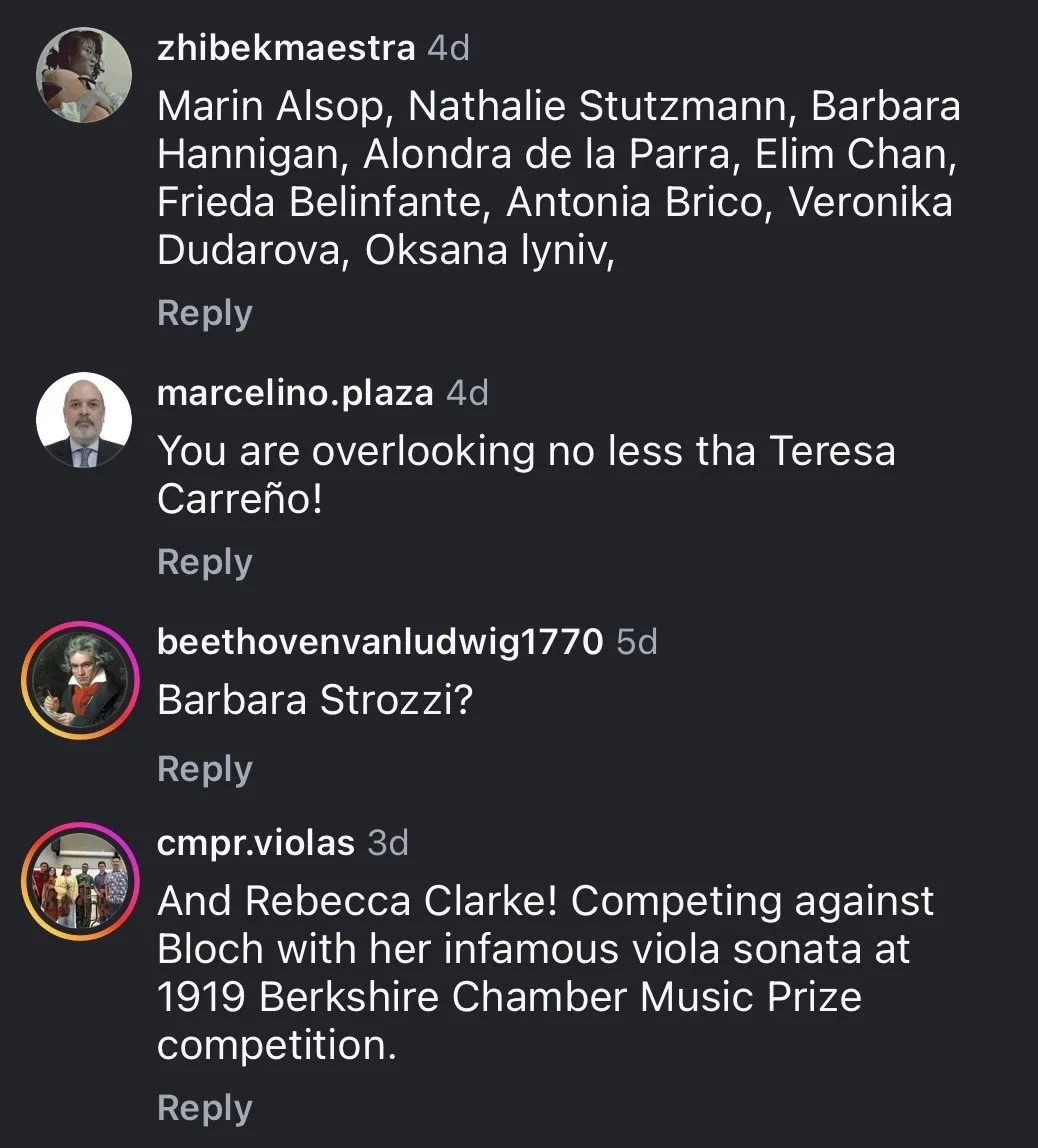
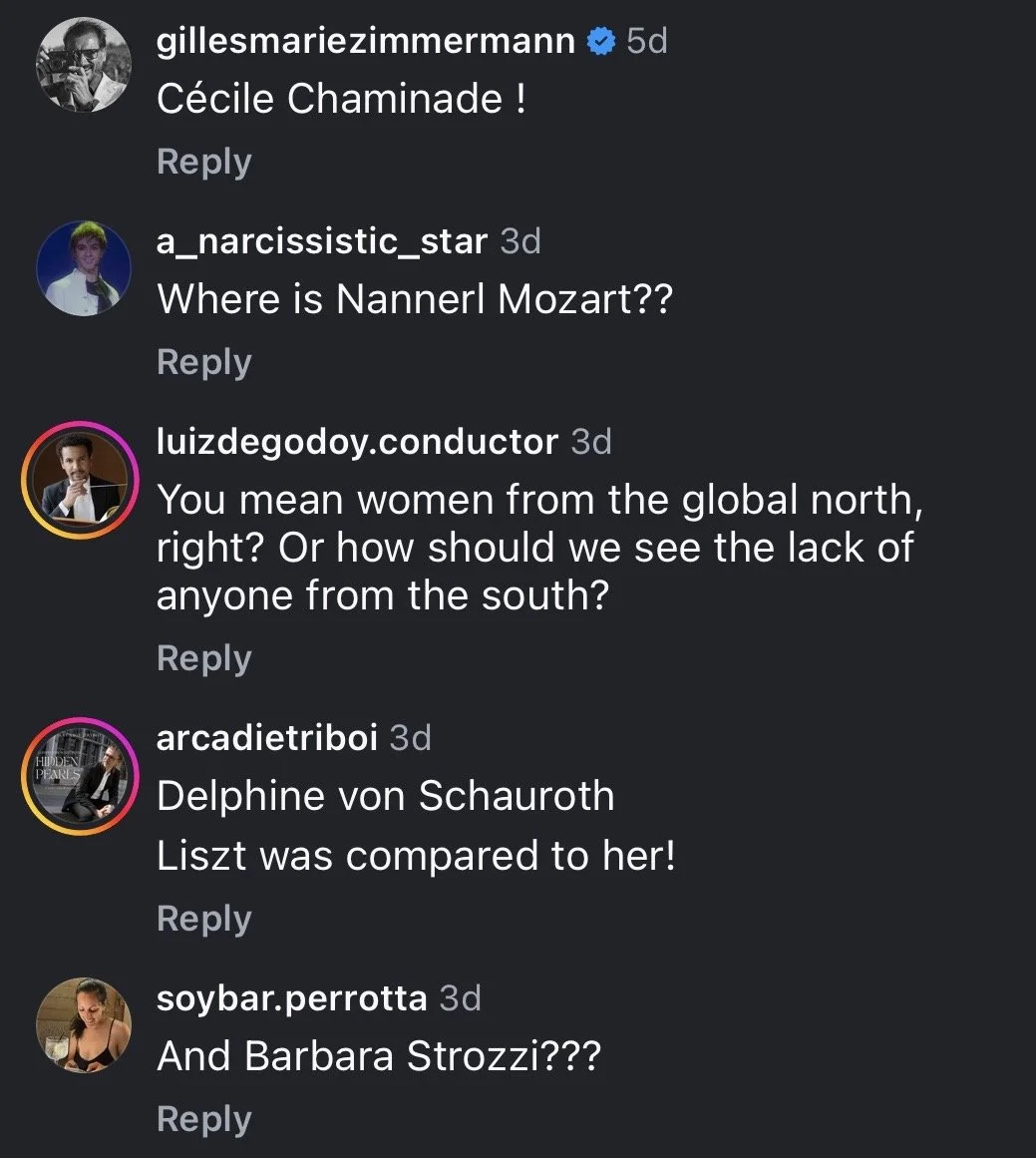
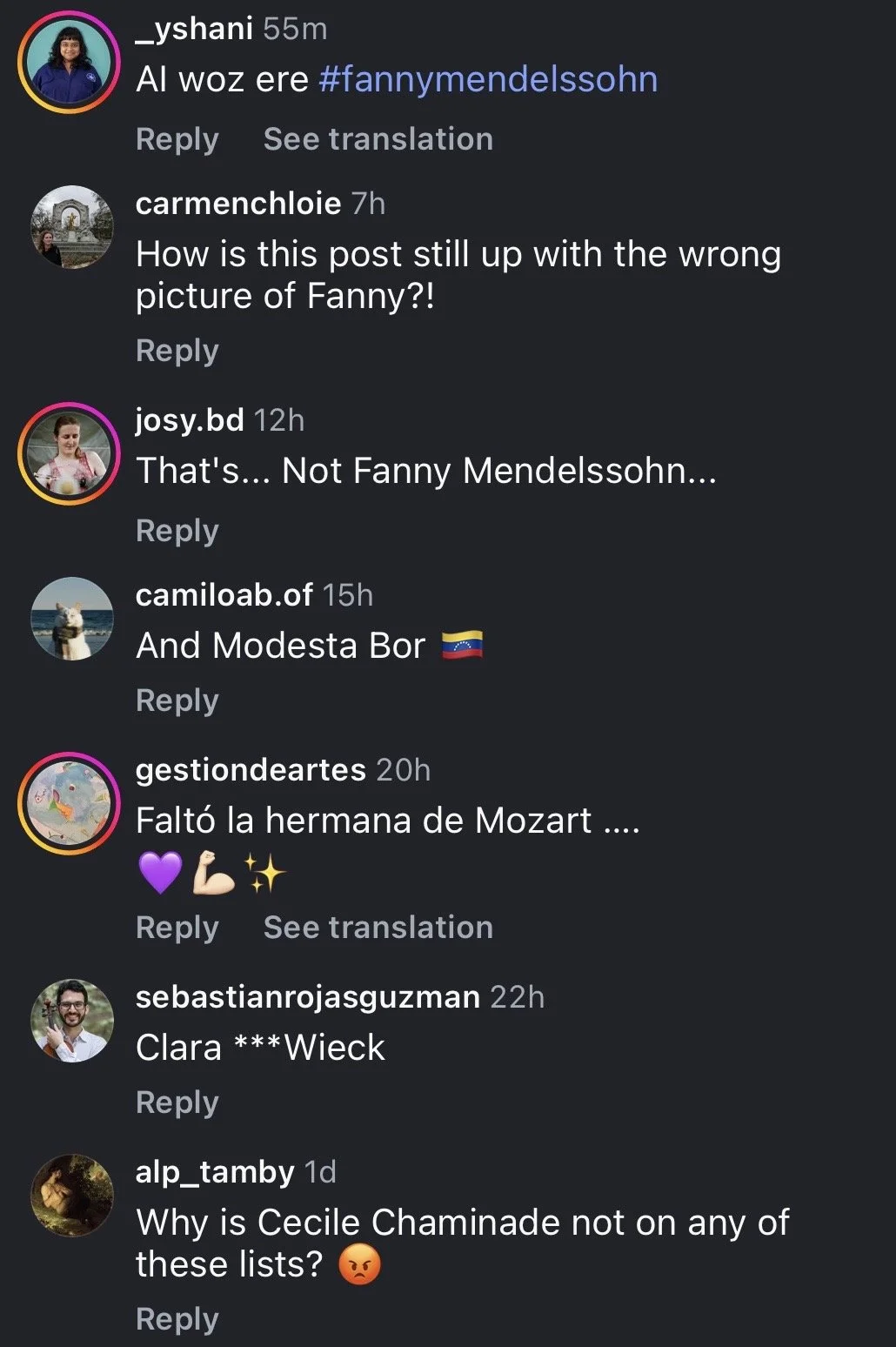
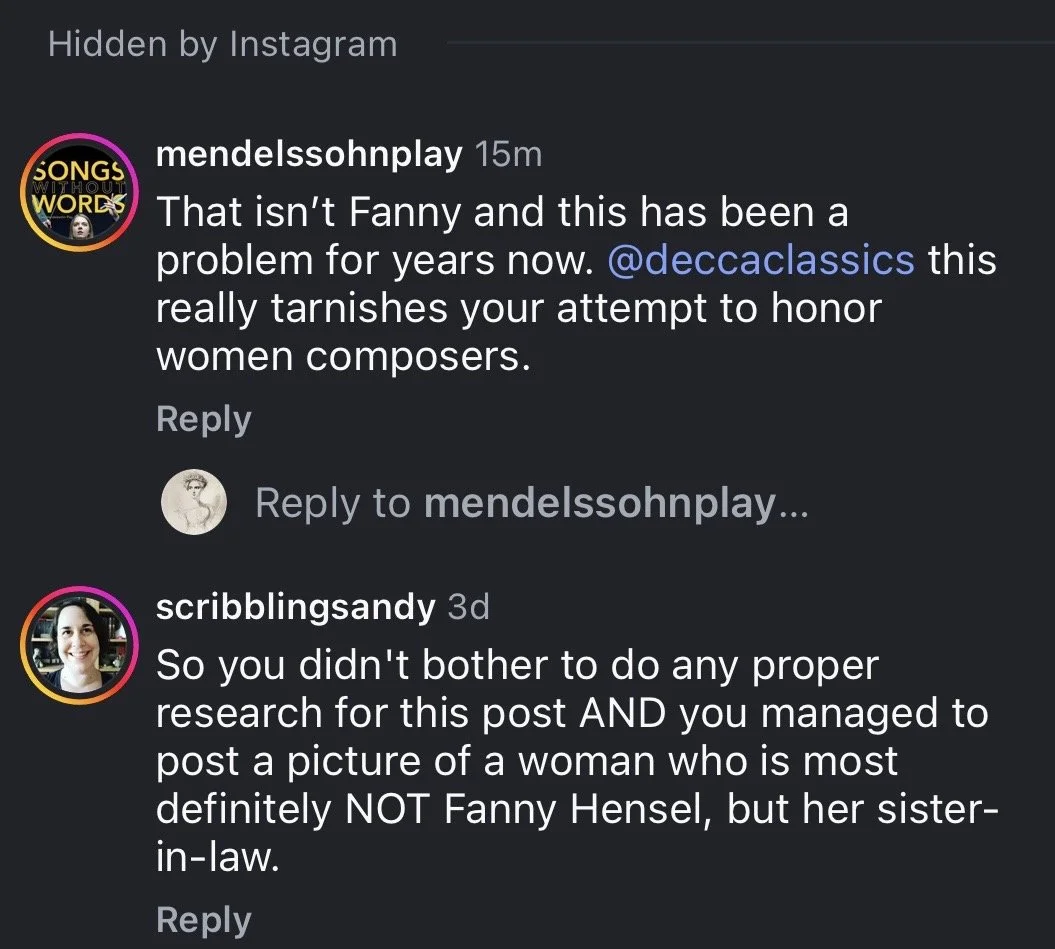
Women’s history month should not be about tokenism, and should not be limited to these eight dead Western women composers. My little corner of the internet knows that, and I’m proud to be in it, shitposting about Fanny Hensel alongside you.
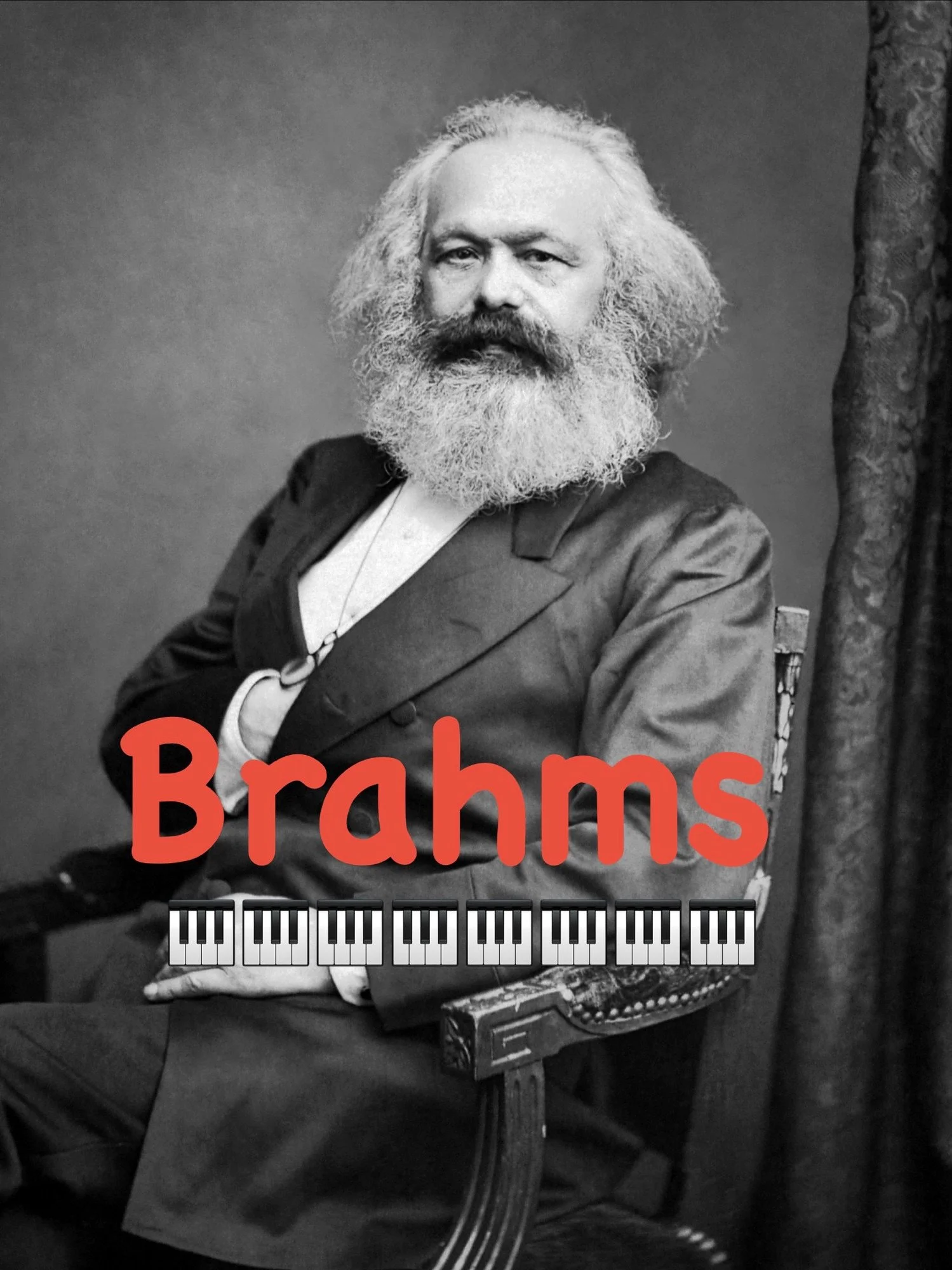
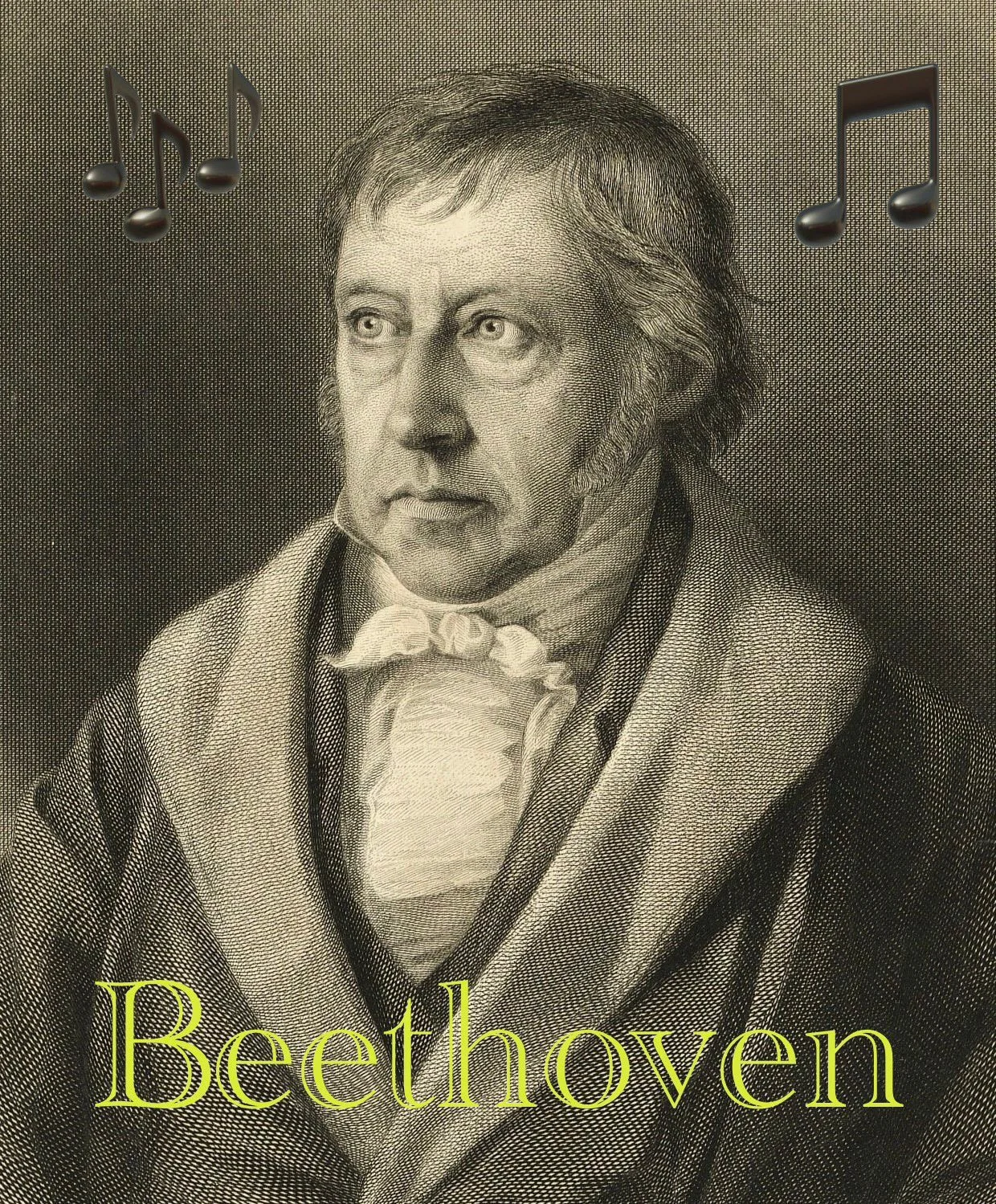
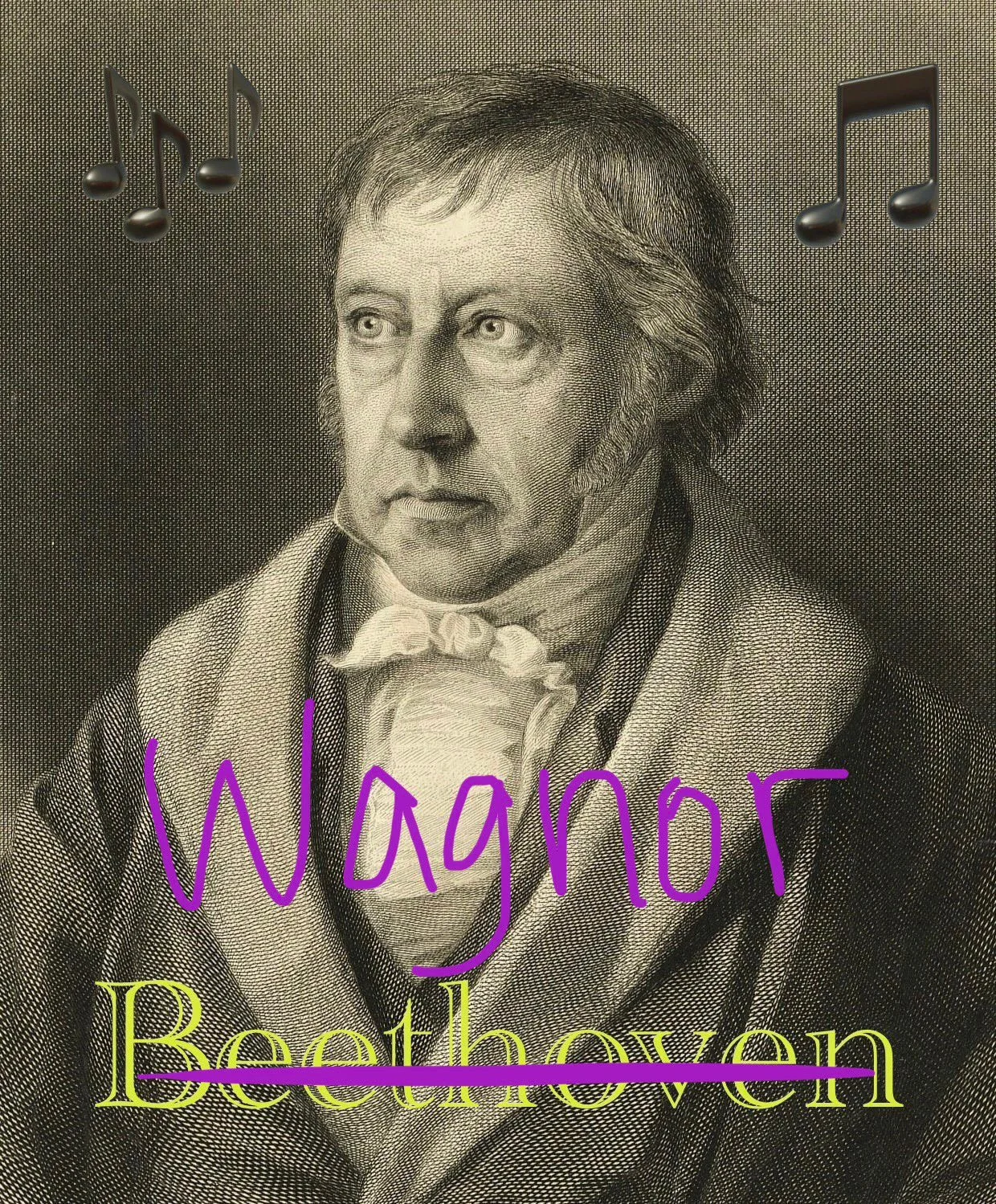
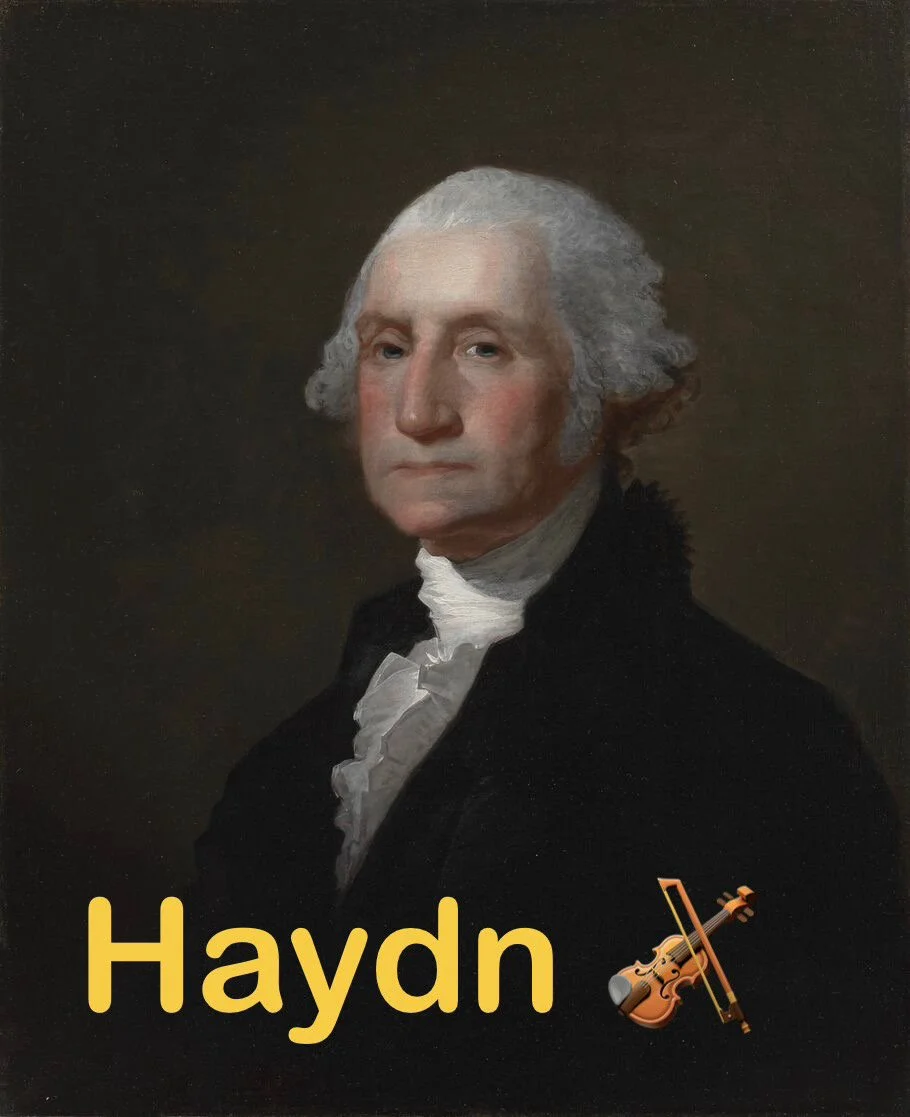
PS: Please enjoy my Decca Classics-inspired homage to the Great Composers:




PPS - while Decca Classics’ parent company UMG did €9.5 billion in revenue in recorded music in 2025, I struggle to keep Henselpushers afloat financially. Your support means a lot. Please consider donating, or if you’re in the Bay Area, please come to my Fanny Hensel lecture-concert on April 4 and say hello!